
Introduction
How to check transmission fluid is a crucial skill every car owner should master to avoid costly repairs and ensure smooth, reliable driving. Your vehicle’s transmission is like the heart of its powertrain, pumping power from the engine to the wheels, and the fluid inside acts as its lifeblood—lubricating moving parts, cooling components, and enabling seamless gear shifts. Neglecting this simple task can lead to slipping gears, overheating, or even total failure, which might set you back thousands in fixes.
Thank you for reading this post, don’t forget to subscribe!In this comprehensive guide, we’ll walk you through everything you need to know: from step-by-step instructions on checking automatic transmission fluid and manual versions, to spotting low transmission fluid symptoms early. We’ll cover transmission fluid color and condition indicators, a handy transmission fluid dipstick guide, and essential transmission maintenance tips. Plus, dive into a transmission fluid change guide for when it’s time to refresh. Whether you’re a DIY newbie or a seasoned driver, these practical tips will empower you to keep your ride in top shape. Let’s gear up and get started!
Why Transmission Fluid Matters: A Quick Overview
Before jumping into how to check transmission fluid, let’s set the stage. Transmission fluid isn’t just oil—it’s a specialized hydraulic fluid designed for high-pressure environments. In automatic transmissions, it helps create pressure for gear changes; in manuals, it lubricates synchronizers and bearings. Over time, heat, contaminants, and wear degrade it, leading to poor performance.
According to automotive experts, regular transmission fluid level checks can extend your transmission’s life by up to 50%. Imagine driving your daily commuter without the dreaded hesitation or whine— that’s the peace of mind a quick check provides. We’ll break it all down into bite-sized sections, complete with examples from real-world scenarios, so you can tackle this like a pro.
How to Check Transmission Fluid: Automatic Transmission Guide
Automatic transmissions are the most common in modern vehicles, and checking automatic transmission fluid is straightforward once you know the drill. This process ensures your gears shift buttery smooth and prevents overheating during rush-hour traffic.
Step-by-Step: Transmission Fluid Level Check for Automatics
Follow these five easy steps to perform a transmission fluid level check safely and accurately:
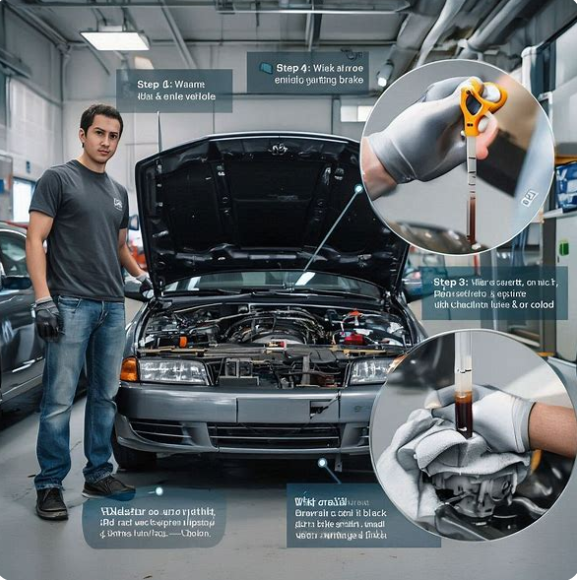
- Park on Level Ground and Warm Up the Engine: Always start with your car on a flat surface—uneven spots can skew readings. Drive for 10-15 minutes to warm the fluid to operating temperature (around 180°F). Why? Cold fluid contracts, giving false lows. Idle the engine in Park for 1-2 minutes to let bubbles settle.
- Locate the Dipstick: Pop the hood and find the transmission fluid dipstick—it’s usually near the back of the engine, with a colorful handle (red, yellow, or black). Not all cars have one; sealed units like some CVTs require a dealer check. Consult your owner’s manual for exact spots.
- Pull, Wipe, and Reinsert: With the engine running, pull the dipstick, wipe it clean with a lint-free rag, then slide it back in fully. This “dip and wipe” method ensures an accurate read.
- Read the Level and Condition: Pull it out again. The fluid should be between the “Hot” marks (not “Cold”—that’s for quick checks only). If below, add fluid slowly via the dipstick tube.
- Secure and Test Drive: Replace the dipstick firmly. Take a short drive and recheck to confirm stability.
Pro Tip: If your fluid smells burnt or looks dark, don’t just top off—schedule a flush. For example, a friend of mine ignored a low reading in her Honda Civic, leading to a $2,500 rebuild. A simple how to inspect transmission fluid routine could’ve saved the day.
Common Pitfalls in Checking Automatic Transmission Fluid
Newbies often check with the engine off, resulting in overfills that cause foaming and slippage. Always run it in Park! Also, use the right fluid type—Dexron III for older GM vehicles, ATF+4 for Chrysler—mismatches can damage seals.
| Automatic Transmission Fluid Types | Common Vehicles | Key Notes |
|---|---|---|
| Dexron VI | GM trucks, SUVs | Synthetic blend, high heat tolerance |
| Mercon LV | Ford models | Low viscosity for better fuel economy |
| ATF+4 | Jeep, Dodge | Full synthetic, lifetime in some apps |
This table highlights popular options; always cross-reference your manual.
How to Check Transmission Fluid: Manual Transmission Edition
While automatics dominate, manuals offer that engaging drive feel, but checking manual transmission fluid requires a slightly different approach. No running engine here—safety first.
Step-by-Step: Checking Manual Transmission Fluid
Manuals lack dipsticks, so you’ll access a fill/check plug on the side of the transmission case. Here’s your transmission fluid dipstick guide alternative:
- Prepare the Vehicle: Park on level ground, engine off and cooled (wait 30 minutes post-drive). Engage the parking brake and chock wheels for safety.
- Locate the Fill Plug: Under the car, find the side plug (usually 3/8-inch square drive). Jack up the front if needed, but use stands.
- Remove and Check: Unscrew the plug with a ratchet. Fluid should dribble out slightly—if not, it’s low. Use a finger or clean straw to gauge depth (aim for plug hole level).
- Inspect and Add if Needed: Shine a flashlight in; fluid should be clear and red. Top off with the specified gear oil (e.g., 75W-90 synthetic) via a pump until it overflows.
- Reinstall and Verify: Wipe the plug, reinstall with a new washer if worn, and torque to spec (around 30 ft-lbs). Test drive gently.
Example: On a Subaru WRX, low manual fluid caused grinding in 2nd gear during spirited canyon runs. A quick check revealed a loose plug—fixed for pennies.
Manuals need less frequent checks (every 30,000 miles), but towing or track days demand monthly inspections.
When to Check Transmission Fluid: Timing Is Everything
Timing your transmission fluid level check isn’t rocket science, but consistency pays off. Experts recommend monthly glances for most drivers, or every oil change. High-mileage folks or those in hot climates? Bi-weekly.
Key triggers include:
- After Long Trips: Heat buildup accelerates degradation—check post-vacation roadster hauls.
- Seasonal Shifts: Winter cold thickens fluid; summer heat thins it. Inspect before extremes.
- Warning Signs: We’ll cover low transmission fluid symptoms next, but hesitation or leaks scream “check now!”
Incorporate it into your routine: While pumping gas, pop the hood for a 2-minute how to inspect transmission fluid ritual. It beats a tow truck surprise.
Low Transmission Fluid Symptoms: Spot Trouble Early
Ignoring low levels invites disaster, but these red flags give you a fighting chance:
- Slipping Gears: RPMs climb, but speed doesn’t—common in autos during acceleration.
- Overheating: Burning smell or smoke from under the hood; fluid cools internals.
- Delayed Shifts: Laggy engagement, like a sleepy morning coffee run.
- Noises: Whining, humming, or clunking in neutral—friction’s revenge.
- Leaks: Red puddles under the car; check driveway mornings.
- Check Engine Light: Often tied to pressure issues.
| Symptom | Automatic Impact | Manual Impact | Urgency Level |
|---|---|---|---|
| Slipping | Jerky shifts | Grinding gears | High |
| Overheat | Foamy fluid | Seized synchros | Critical |
| Leak | Slow drop | Sudden loss | Medium |
| Noise | Whine on load | Chatter in neutral | High |
If you spot two or more, park it and call a mechanic. Early detection via regular checks saves wallets.
Transmission Fluid Color and Condition: Your Diagnostic Cheat Sheet
Beyond levels, transmission fluid color and condition reveal the health story. Fresh fluid? Bright red or pink, like cherry Kool-Aid—lubricates perfectly. As it ages, it darkens to amber (okay for 20k miles), then brown (time for change).
- Dark Brown/Black: Burnt from heat; smells acrid. Indicates clutch material contamination.
- Milky/Pink Foam: Water intrusion—check radiator for cracks.
- Metallic Shavings: Worn internals; pro inspection ASAP.
- Clear/Thin: Overly old or wrong type—viscosity loss.
Rub a drop between fingers: Smooth and slightly sticky? Good. Gritty? Debris alert. For manuals, gear oil might be amber-green; same rules apply.
Visual Guide Table:
| Color | Condition | Action Needed |
|---|---|---|
| Bright Red | Fresh/Excellent | Monitor quarterly |
| Pink/Orange | Aging/Fair | Change at 30k miles |
| Brown | Degraded/Poor | Flush immediately |
| Black | Burnt/Critical | Full service + diag |
This quick transmission fluid color and condition check during your dipstick routine can prevent breakdowns.
Transmission Fluid Dipstick Guide: Tools and Tricks
The dipstick is your window into the transmission world—treat it right. Handles vary: Plastic wands for sedans, metal rods for trucks. Clean it monthly to avoid false reads.
Tricks:
- Use white paper for better visibility.
- Mark your calendar post-check.
- For no-dipstick models (e.g., some Nissans), use a sight glass or electronic sensor.
Invest in a $10 fluid pump for adds—funnels spill messes.
Transmission Maintenance Tips: Pro Habits for Longevity
Transmission maintenance tips keep you cruising worry-free. Start with the basics:
- Fluid Swaps: Every 30-60k miles; synthetics last longer.
- Cooler Upgrades: For trailers, add an external cooler to fight heat.
- Driving Style: Avoid aggressive launches; let it warm before hard shifts.
- Filter Changes: Pair with fluid swaps to catch debris.
- Towing Prep: Double-check levels pre-haul.
Bonus: Park in shade—UV degrades seals. A client once extended his F-150’s life from 150k to 250k miles with these habits.
Transmission Fluid Change Guide: DIY or how to check transmission fluid Dealer?
When checks show wear, a transmission fluid change guide comes in handy. DIY saves $200, but pros handle flushes better.
Step-by-Step Fluid Change for Automatics
- Gather Tools: Drain pan, jack stands, filter kit, 12 quarts fluid.
- Drain Old Fluid: Loosen pan bolts, drop it—expect 4-6 quarts out.
- Replace Filter/Gasket: Clean magnet, install new.
- Refill and Cycle: Add fluid, run through gears, recheck level.
- Dispose Properly: Recycle at auto stores.
For manuals: Drain via bottom plug, refill to overflow.
Costs: DIY $50-100; shop $150-300. Flush every 100k for heavy use.
Warnings: Overfill causes slips; underfill starves pumps.
FAQs
How often should I check automatic transmission fluid? Hey, if you’re wondering how to check transmission fluid regularly, aim for once a month or every oil change. It’s quick and catches issues like low levels before they snowball into big repairs.
What are the signs of low transmission fluid in a manual car? Low transmission how to check transmission fluid fluid symptoms in manuals include grinding noises during shifts or stiff pedal feel. If you’re experiencing that, start with a transmission fluid level check to rule out simple fixes.
Is transmission fluid color important when inspecting? Absolutely—transmission fluid color and how to check transmission fluid condition tell you a lot. Pink is prime; brown means change time. Use our transmission fluid dipstick guide for a hands-on look.
Can I check transmission fluid when the engine is cold? For a rough how to inspect transmission how to check transmission fluid fluid estimate, yes, but for accuracy in automatics, warm it up first. Cold checks work better for manuals.
What’s the best way to add transmission fluid if low? When doing a transmission fluid level check, how to check transmission fluid add slowly via the dipstick tube how to check transmission fluid using the exact type your manual specifies. Overdoing it can foam and cause slips.
How do I know if I need a full transmission fluid change? If your checks show dark, burnt fluid or persistent low transmission how to check transmission fluid fluid symptoms, follow our transmission fluid change guide. It’s often due every 30-60k miles.
Are there differences in checking transmission fluid for trucks vs. how to check transmission fluid how to check transmission fluid cars? Yep, trucks might need more how to check transmission fluid fluid and hotter checks due to towing. But the core how to check transmission fluid steps remain similar—just scale up the volume.
Conclusion
Mastering how to check transmission fluid empowers you to safeguard your vehicle’s how to check transmission fluid most expensive component without breaking a sweat. From detailed steps for automatic and manual transmission fluid checks, to decoding low how to check transmission fluid transmission fluid symptoms and transmission fluid color and condition cues, you’ve got the tools for proactive care. Remember our transmission maintenance tips and transmission fluid change guide to stay ahead of wear.
Don’t wait for a breakdown—grab that dipstick this weekend and give your transmission the attention it how to check transmission fluid deserves. Your wallet (and sanity) will thank you. Ready to dive in? Share your check experiences in the comments or consult a local mechanic for personalized advice. Drive safe!



One response to “How to Check Transmission Fluid: 5 Easy Steps”
[…] simple: Pick ONE tool from this guide today. Master it for 30 days. Then add […]