
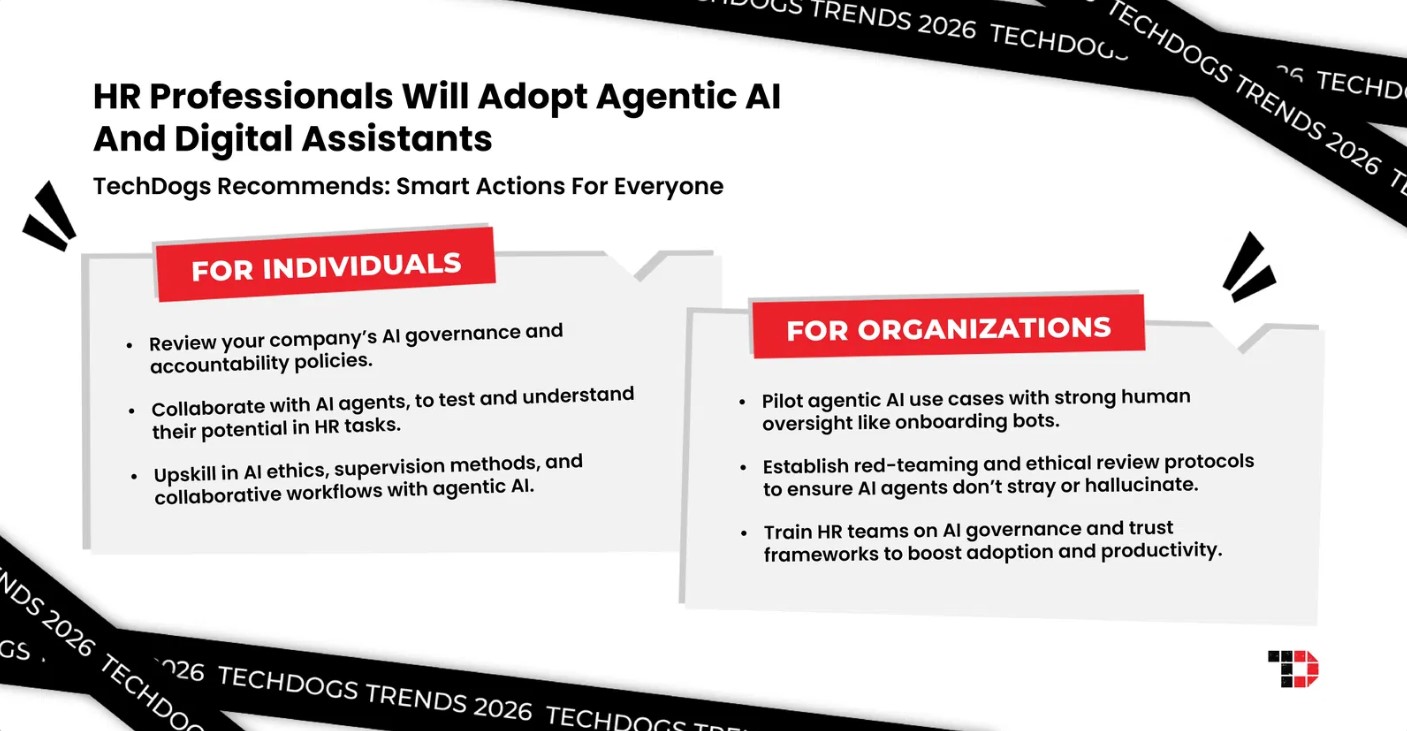
In 2026, AI HR platforms are revolutionizing how organizations manage talent. These advanced systems integrate artificial intelligence—particularly agentic AI, where autonomous agents execute complex tasks—to handle everything from recruiting to employee development. As global industry analyst Josh Bersin states in his 2026 Imperatives report, we’re entering “The Great Reinvention of Human Resources,” powered by AI superagents that shift HR from administrative roles to strategic leadership.
AI HR platforms address critical challenges like skills shortages, hybrid workforces, and the need for personalized experiences. This comprehensive guide explores how these platforms work, their real-world impact, and the leading solutions defining the future of HR technology.
What Are AI HR Platforms?
AI HR platforms are integrated software ecosystems that embed artificial intelligence into human resources processes. Unlike traditional HRIS systems focused on basic record-keeping and payroll, AI HR platforms use machine learning, generative AI, and agentic capabilities to predict outcomes, automate workflows, and deliver proactive insights.
Core components include:
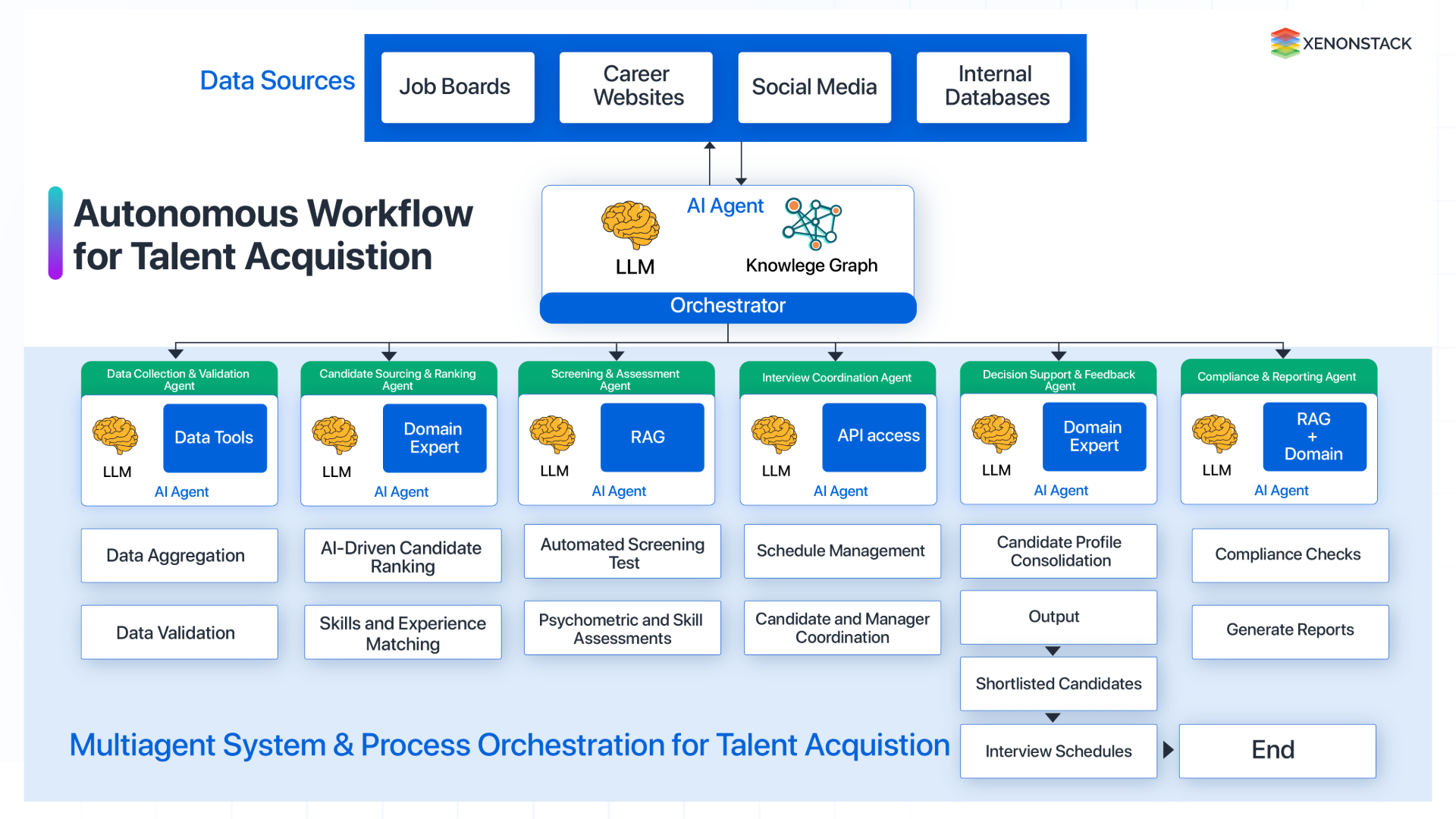
- Agentic AI agents that independently handle tasks like candidate sourcing or compliance checks.
- Predictive analytics for forecasting turnover or identifying skills gaps.
- Generative tools for crafting personalized communications or development plans.
According to Gartner’s 2026 HR trends, AI transformation ranks as the top priority for CHROs, emphasizing workforce redesign in the human-machine era.
![AI in HR: A Comprehensive Guide [2026 Edition] - AIHR](https://www.aihr.com/wp-content/uploads/Types-of-AI-in-HR-Thumbnail.png)
How Do AI HR Platforms Work?
AI HR platforms operate on a secure, unified data layer that combines internal employee information with external benchmarks.
Step-by-step mechanism:
- Data Aggregation: Securely ingest structured data (e.g., performance metrics) and unstructured sources (e.g., feedback sentiment).
- AI Analysis: Machine learning models detect patterns, such as flight risks or emerging skills needs.
- Agentic Execution: Advanced agents (like those in Workday Illuminate) autonomously act—scheduling interviews, adjusting benefits, or generating reports.
- Insight Delivery: Intuitive dashboards provide actionable recommendations with human oversight.
- Iterative Improvement: Platforms learn from outcomes, refining accuracy over time.
This closed-loop system ensures AI HR platforms evolve with your organization.
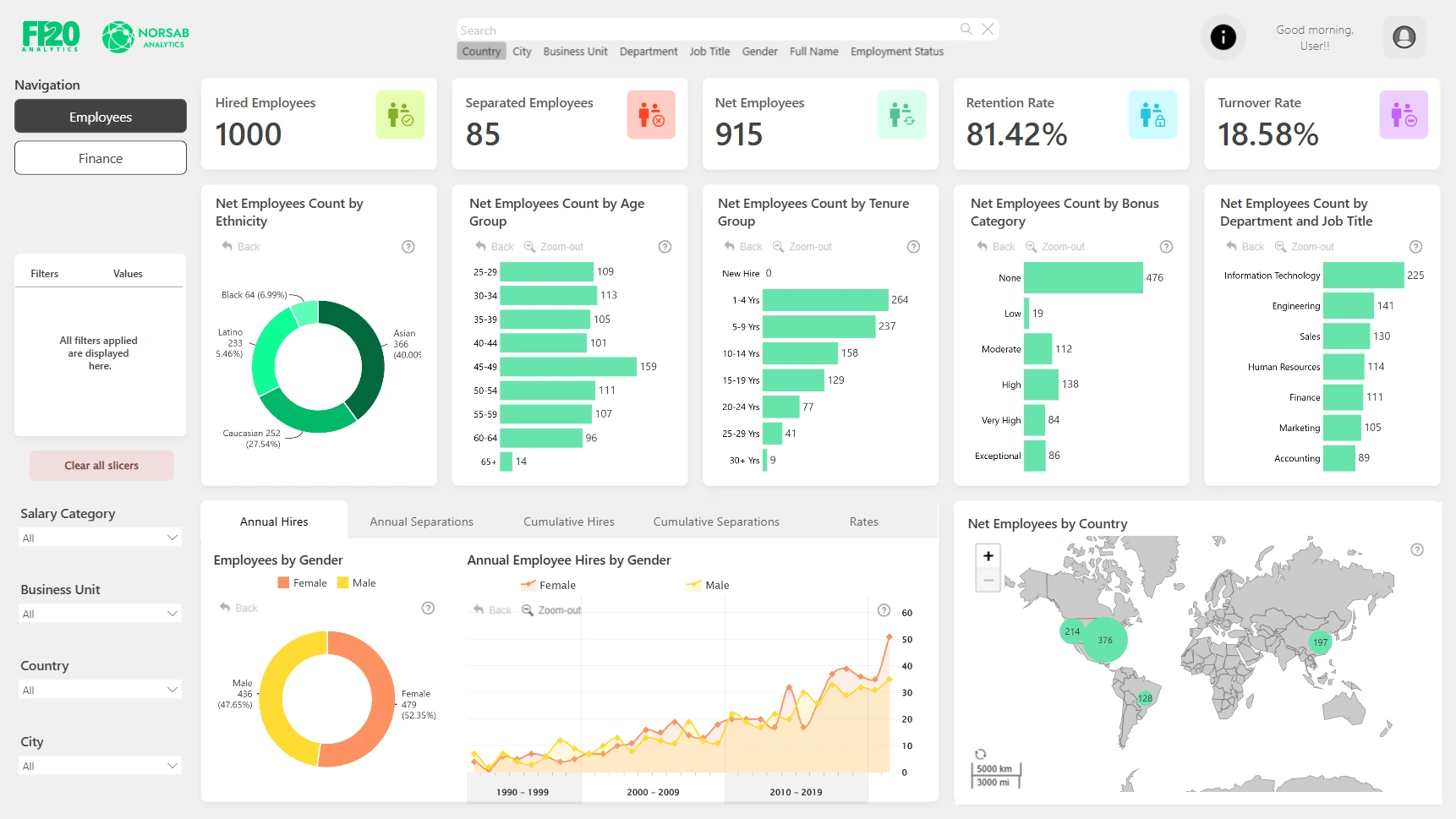
Key Features of Modern AI HR Platforms
Leading AI HR platforms in 2026 offer:
- Talent Acquisition Automation: AI-driven sourcing, bias-reduced screening, and skills-based matching.
- Employee Experience Enhancement: Personalized learning, sentiment analysis, and self-service chatbots.
- Performance Management: Continuous feedback loops and AI-coached development plans.
- Predictive Workforce Planning: Turnover prediction, diversity tracking, and succession modeling.
- Agentic AI Capabilities: Autonomous agents for end-to-end processes.
- Ethical Governance: Built-in bias audits and compliance tools.
Top 10 AI HR Platforms in 2026
Drawing from industry reports, adoption data, and innovation in agentic AI, here are the standout AI HR platforms:
- Workday – Enterprise leader with Workday Illuminate’s agentic AI agents transforming hiring, planning, and finance integration.
- Eightfold AI – Deep learning for skills-based talent intelligence and internal mobility.
- Rippling – All-in-one global payroll and automation, ideal for scaling companies.
- Juicebox (PeopleGPT) – Emerging AI talent search and recruiting agents excelling in hard-to-fill roles.
- Humanly – Conversational AI specialized in recruiting screening and engagement.
- BambooHR – SMB-friendly with strong AI performance insights.
- Lattice – Engagement-focused with AI-powered pulse surveys and goals.
- HiBob (Bob) – Modern platform for global teams with culture analytics.
- Deel – Contractor and global employment management with compliance AI.
- Beamery – Talent CRM with generative AI for personalized candidate experiences.
Comparison Table: Leading AI HR Platforms
| Platform | Best For | Standout AI Feature | Starting Pricing | Enterprise Scalability |
|---|---|---|---|---|
| Workday | Large Enterprises | Agentic AI agents (Illuminate) | Custom quote | Excellent |
| Eightfold AI | Talent Intelligence | Skills ontology matching | Custom quote | High |
| Rippling | Global/Growing Teams | Workflow automation | ~$8/employee/month | High |
| Juicebox | AI Recruiting | PeopleGPT sourcing agents | Custom quote | High |
| Humanly | Conversational Recruiting | AI screening & communication | Custom quote | Medium |
| BambooHR | Small-Medium Businesses | Performance insights | ~$6/employee/month | Medium |
| Lattice | Employee Engagement | Survey & feedback analytics | ~$9/employee/month | Medium |
| HiBob | Modern/Global Workforces | Culture & retention AI | Custom quote | High |
| Deel | Contractors/International | Compliance automation | Free + transaction fees | High |
| Beamery | Talent CRM | Generative candidate experiences | Custom quote | High |
Real-World Applications of AI HR Platforms
- Faster Hiring: Companies using Eightfold report up to 90% reduction in time-to-hire through skills matching.
- Retention Improvement: Lattice users see 25%+ engagement boosts via AI-flagged sentiment trends.
- Global Expansion: Rippling and Deel enable seamless international compliance without local entities.
- Strategic Transformation: Workday’s agents help enterprises optimize workforce planning in real-time.
Benefits of AI HR Platforms Today
Bold key advantages:
- Efficiency Gains: Automate 70-80% of routine tasks, freeing HR for strategy.
- Reduced Bias: Algorithmic fairness tools promote diverse hiring.
- Higher Retention: Personalized experiences increase employee satisfaction.
- Cost Savings: Lower turnover and optimized staffing reduce expenses.
- Agility: Rapid adaptation to market changes via predictive insights.
Limitations to Consider
While powerful, AI HR platforms have challenges:
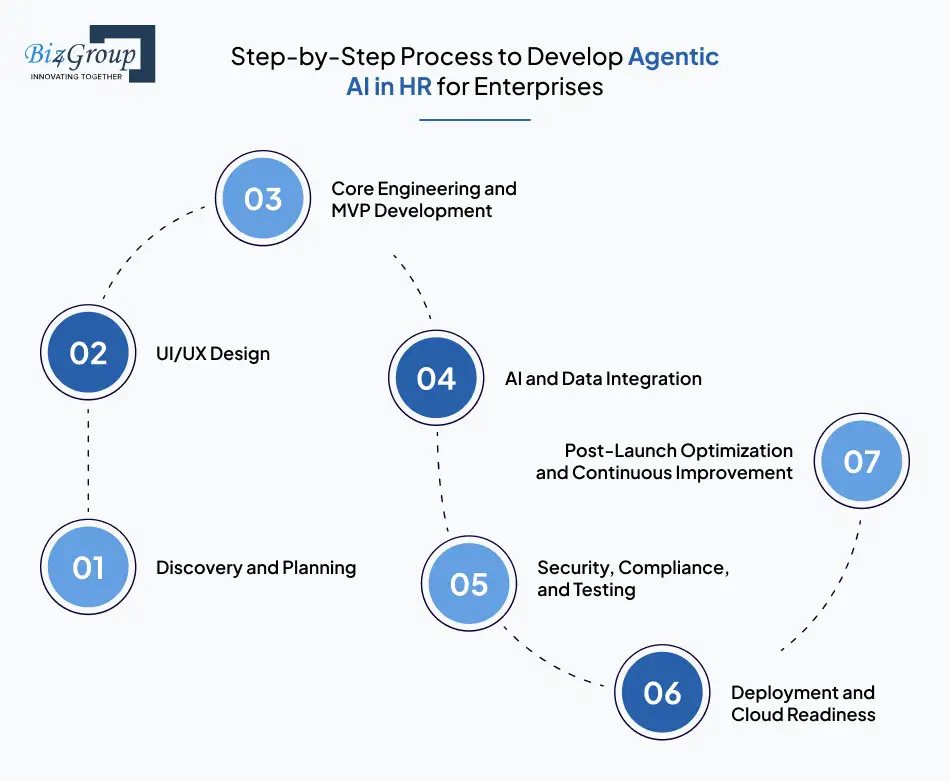
- Implementation Complexity: Integration with legacy systems can be costly.
- Data Quality Dependence: Poor input leads to flawed outputs.
- Ethical Risks: Potential bias requires ongoing governance.
- Change Resistance: Teams need training to embrace AI augmentation.
Strong vendor partnerships and phased rollouts mitigate these.
Future Potential of AI HR Platforms
Looking ahead to 2027-2030, AI HR platforms will evolve dramatically:
- Multi-agent orchestration handling complete HR lifecycles autonomously.
- Deeper integration with physical AI (e.g., workplace robotics).
- Multimodal capabilities analyzing voice/video for nuanced insights.
- Enhanced regulatory compliance amid growing AI governance.
As Bersin predicts, AI superagents will drive the largest HR transformation in decades.
FAQ
What are AI HR platforms?
AI HR platforms are software solutions embedding artificial intelligence into HR functions like recruiting, onboarding, performance, and analytics for automation and strategic insights.
How do AI HR platforms work?
They aggregate data, apply AI models for analysis, execute tasks via agentic agents, and deliver insights through dashboards with human oversight.
Are AI HR platforms safe and reliable?
Top platforms prioritize security, ethical AI, and compliance (e.g., GDPR). Reliability is high with established vendors, though human review remains essential.
Who should use AI HR platforms?
Organizations with 50+ employees, especially those scaling, managing remote/global teams, or facing talent challenges. SMBs start with BambooHR; enterprises choose Workday.
What are the latest developments in AI HR platforms for 2026?
Agentic AI agents dominate, with Workday Illuminate expansions and focus on responsible governance per Gartner and Bersin reports.
How do AI HR platforms differ from traditional HR software?
Traditional systems are reactive and administrative; AI HR platforms are predictive, autonomous, and strategic.
Common misconceptions about AI HR platforms?
Myth: AI replaces HR professionals. Reality: It augments them, eliminating drudgery while elevating human judgment.
Conclusion: Step Into the Future with AI HR Platforms
AI HR platforms in 2026 represent a pivotal shift, turning HR into a proactive driver of organizational success. From Workday’s groundbreaking agentic agents to specialized tools like Juicebox and Humanly, these platforms solve today’s toughest workforce challenges while preparing for tomorrow’s innovations.
Don’t wait—assess your current HR tech stack today. Request a personalized demo from leaders like Workday or Rippling to discover how AI HR platforms can transform your organization. The future of work is here—embrace it.
Leave a Reply