
Introduction
Himalayan salt, often celebrated for its stunning pink hue and ancient origins, has captured the attention of health enthusiasts and home chefs alike. Mined from the pristine foothills of the Punjab region in Pakistan, this unrefined salt isn’t just a seasoning—it’s a mineral-rich powerhouse that’s transforming kitchens, bathrooms, and wellness routines worldwide. In this comprehensive guide, we’ll uncover everything you need to know about Himalayan salt: its nutrition profile, health benefits, versatile uses like cooking on Himalayan salt blocks or relaxing with a Himalayan salt lamp, and even a fair comparison to everyday table salt. Whether you’re curious about Himalayan pink salt benefits for your skin or wary of potential side effects, stick around for practical tips, expert-backed facts, and step-by-step ideas to incorporate this natural sea salt alternative into your life. By the end, you’ll see why this unrefined salt is more than a trend—it’s a lifestyle upgrade.
Thank you for reading this post, don’t forget to subscribe!What Is Himalayan Salt? A Deep Dive into Its Origins
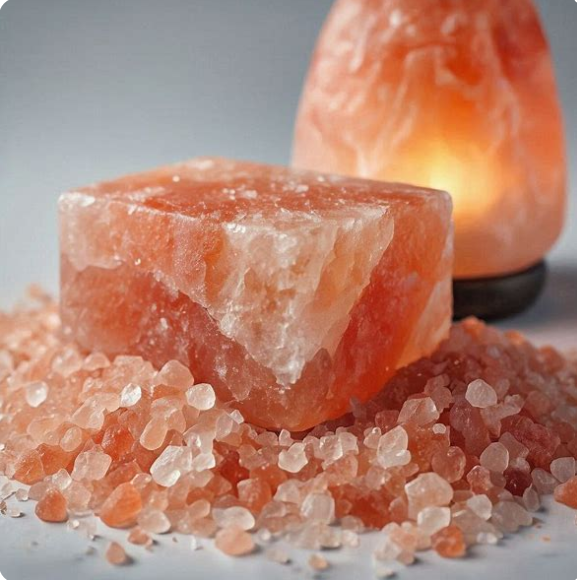
Himalayan salt traces its roots back over 200 million years to an ancient sea bed trapped beneath the Himalayan mountains. What makes it stand out? Unlike heavily processed table salt, Himalayan salt is hand-mined and left in its natural, unrefined state. This preservation process locks in a spectrum of over 84 trace minerals, giving it that signature pink glow from iron oxide content.
Often referred to as pink Himalayan salt, it’s not just aesthetically pleasing—it’s a testament to nature’s purity. Sourced from the Khewra Salt Mine, the world’s second-largest, each crystal is free from pollutants that plague modern sea salts. This unrefined salt appeals to those seeking a more wholesome option in a world of additives and bleaching agents.
But is the hype real? While it’s chemically similar to other salts (about 98% sodium chloride), the remaining 2% of Himalayan salt minerals—like potassium, magnesium, and calcium—sets it apart. These elements aren’t just buzzwords; they contribute to its subtle, earthy flavor and potential wellness edge.
In short, Himalayan salt isn’t your average shaker staple. It’s a bridge between culinary tradition and modern health consciousness, ready to elevate everything from gourmet meals to spa-like soaks.
Himalayan Salt Nutrition: Minerals That Matter
When it comes to Himalayan salt nutrition, the spotlight shines on its impressive mineral lineup. Unlike iodized table salt, which strips away most natural elements during refining, pink Himalayan salt retains a bounty of electrolytes and trace nutrients in their bioavailable forms.
At its core, a single teaspoon of Himalayan salt delivers about 2,300 mg of sodium—comparable to table salt—but with added perks. Key Himalayan salt minerals include:
- Iron: Up to 38.9 mcg per gram, responsible for the pink tint and supporting oxygen transport in the blood.
- Magnesium: Around 1.06 mg per gram, aiding muscle relaxation and energy production.
- Potassium: 2.8 mg per gram, balancing fluids and nerve signals.
- Calcium: 1.6 mg per gram, promoting bone health.
- Zinc and Copper: Trace amounts for immune support and antioxidant activity.
These aren’t mega-doses, but they accumulate in a balanced diet. A 2023 study highlighted in Healthline notes that while trace minerals in pink Himalayan salt are minimal, they offer a slight nutritional boost over refined varieties. For context, here’s a quick comparison table of nutrition per teaspoon:
| Nutrient | Himalayan Salt | Table Salt | % Daily Value (Himalayan) |
|---|---|---|---|
| Sodium | 2,300 mg | 2,300 mg | 100% |
| Iron | 0.038 mg | 0 | 0.2% |
| Magnesium | 0.001 mg | 0 | <0.1% |
| Potassium | 0.003 mg | 0 | <0.1% |
| Calcium | 0.002 mg | 0 | <0.1% |
This unrefined salt’s nutrition profile makes it a smart pick for those ditching processed foods. Remember, moderation is key—excess sodium from any source can strain the heart.
Unlocking Himalayan Salt Health Benefits
Himalayan salt health benefits have sparked endless debates, blending ancient wisdom with modern science. Proponents rave about its role in hydration, detoxification, and even respiratory relief, while skeptics point to limited clinical evidence. Let’s break it down with balanced insights.
One of the top Himalayan pink salt benefits is improved electrolyte balance. The natural potassium and magnesium help regulate hydration at a cellular level, potentially reducing cramps during workouts. Athletes often swear by adding a pinch to water for a DIY sports drink.
Respiratory perks? Inhaling Himalayan salt particles (halotherapy) may ease asthma symptoms by loosening mucus, per WebMD reports. A 2024 review suggests modest benefits for allergy sufferers, though more research is needed.
For digestion, the minerals in Himalayan salt stimulate hydrochloric acid production, aiding nutrient absorption. Sipping sole water—a saturated Himalayan salt solution—first thing in the morning is a popular ritual for gut health.
Skin and hair? We’ll dive deeper later, but topically, it exfoliates without harsh chemicals. Overall, while not a miracle cure, Himalayan salt’s health benefits shine in holistic routines, especially as an unrefined salt alternative.
Potential downsides? Himalayan salt side effects mirror any salt: overconsumption risks high blood pressure. The American Heart Association caps daily sodium at 2,300 mg, so track your intake.
Himalayan Salt vs Table Salt: Which Wins?
The eternal showdown: Himalayan salt vs table salt. At first glance, they’re sodium siblings, but dig deeper, and differences emerge in processing, nutrition, and taste.
Table salt is mined or evaporated from seawater, then heavily refined to remove impurities—and minerals. It’s often iodized to prevent deficiencies and anti-caking agents keep it flowing. Result? A pure white, uniform product that’s cheap and shelf-stable.
Himalayan salt, by contrast, skips the refinery. This natural sea salt (despite its landlocked origins) retains its rugged crystals and mineral mosaic. Flavor-wise, it’s milder and more complex, enhancing dishes without overpowering.
Health edge? Table salt’s iodine is a thyroid hero, but Hima layan salt’s trace minerals offer broader support—though in tiny quantities. A Nebraska Medicine analysis confirms both pose similar risks if overeaten, like hypertension.
Environmentally, Himalayan mining is labor-intensive but low-impact compared to industrial evaporation. Cost? Hima layan salt runs $5–10 per pound vs. pennies for table salt.
Quick Pros & Cons Table:
| Aspect | Himalayan Salt | Table Salt |
|---|---|---|
| Processing | Unrefined, minimal | Heavily refined, additives |
| Minerals | 84+ trace elements | Mostly none (except iodine) |
| Taste | Subtle, earthy | Sharp, uniform |
| Health Perks | Potential electrolyte boost | Iodine for thyroid |
| Price | Premium ($0.30–$0.60/oz) | Budget ($0.01/oz) |
| Best For | Gourmet cooking, wellness | Baking precision |
Verdict: Swap in Hima layan salt for flavor and feel-good factors, but don’t ditch iodized table salt entirely if your diet lacks seafood.
Versatile Himalayan Salt Uses in Everyday Life
Hima layan salt uses extend far beyond sprinkling on fries. This chameleon ingredient stars in cooking, decor, and self-care. Let’s explore.
Himalayan Salt for Cooking: Elevate Your Meals
In the kitchen, Hima layan salt for cooking brings nuance to every bite. Its coarse grains make it ideal for finishing salts—think flaking over roasted veggies or rimming margarita glasses.
Pro tip: Use a mortar to grind fresh for salads. It draws out flavors without the bitterness of fine table salt. Recipes? Try searing steak with a Hima layan salt crust: pat dry, season generously, and grill for caramelized perfection.
Nutrition bonus: Those minerals enhance bioavailability of veggies’ vitamins. Chefs love it for pickling too—brine cucumbers with pink Hima layan salt for crisp, probiotic-packed spears.
Himalayan Salt Blocks: The Hot New Grilling Trend
Hima layan salt blocks are game-changers for outdoor (or indoor) feasts. These thick slabs, heated to 500°F, infuse food with subtle salinity while creating a non-stick sear.
Step-by-Step Guide to Grilling on a Salt Block:
- Prep the Block: Soak in water for 20 minutes, then air-dry. Heat gradually on a grill or stovetop to 300°F over 30 minutes.
- Season Lightly: Pat proteins (shrimp, veggies) dry—no extra salt needed.
- Cook: Place on block for 1–2 minutes per side. The moisture evaporates, locking in juices.
- Serve: Let cool slightly; the block chills food gently post-grill.
- Clean: Scrape, rinse with cool water, and dry upright.
Blocks double as serving platters, keeping cheeses cold. At $30–$50, they’re an investment in wow-factor dinners.
Himalayan Salt Lamp: Glow Up Your Space
A Hima layan salt lamp isn’t just decor—it’s a mood booster. Carved from massive crystals, these lamps emit a warm, amber glow when lit, purportedly releasing negative ions to purify air.
Benefits? Users report better sleep and reduced stress, though Healthline debunks major claims like allergy cures. Still, the hygge vibe is undeniable. Place one in your bedroom for a serene nightlight; sizes range from 5–20 lbs ($15–$40).
Maintenance: Wipe with a dry cloth; use a dimmer bulb to avoid overheating. Pair with essential oils for aromatherapy synergy.
Himalayan Salt Bath Benefits: Soak Away Stress
Hima layan salt bath benefits are all about detox and renewal. Dissolve 1–2 cups in warm water for a mineral soak that draws out toxins via osmosis.
Why It Works:
- Muscle Relief: Magnesium eases soreness post-yoga.
- Skin Detox: Chloride balances pH, clearing pores.
- Mental Calm: The ritual promotes mindfulness.
Step-by-step ritual:
- Fill tub with 100°F water.
- Add salt; stir until dissolved.
- Soak 20–30 minutes, breathing deeply.
- Rinse with cool water; moisturize.
A 2022 Alyaka study notes improved circulation, but cap sessions to avoid dehydration. Side effects? Rare dryness—hydrate after.
Himalayan Salt Skincare: Natural Glow Secrets
Himalayan salt skincare taps into exfoliation and mineral magic. Mix with oils for scrubs that slough dead cells, revealing radiant skin.
DIY Recipes:
- Face Scrub: 2 tbsp salt + 1 tbsp honey + lavender oil. Gently massage, rinse.
- Body Polish: Salt + coconut oil. Use weekly for smoother limbs.
Benefits include reduced inflammation from zinc and antibacterial properties. Dr. Axe praises its pH-balancing act for acne-prone skin. Caution: Avoid open wounds to prevent stinging.
Himalayan Salt Side Effects: What to Watch For
No superfood is perfect, and Himalayan salt side effects deserve a mention. Primarily, it’s the sodium: excess can spike blood pressure, especially for those with hypertension. WebMD warns that even trace minerals don’t offset overindulgence.
In baths or scrubs, sensitive skin might itch—dilute and patch-test. Iodine deficiency is a risk if you fully replace iodized salt without seafood intake. Pregnant folks? Consult a doc, as high sodium affects fluid retention.
Bottom line: 1 tsp daily is safe for most. Listen to your body.
FAQs About Himalayan Salt
Is pink Himalayan salt really better than regular table salt? Absolutely, if you’re after flavor and minerals! Himalayan salt vs table salt shows the pink version wins on unrefined purity, but both need moderation for heart health.
What are the top Himalayan pink salt benefits for daily use? From electrolyte balance to better digestion, Hima layan salt health benefits include hydration support and subtle detox—perfect for busy lifestyles.
Can Himalayan salt lamps actually improve air quality? Hima layan salt lamps create a cozy vibe and may release minor negative ions, but evidence for major air purification is slim. Still, they’re a stylish wellness add-on.
How do I use Himalayan salt blocks for cooking without over-salting? Heat slowly, pat food dry, and cook briefly—the block infuses just enough. Hima layan salt blocks are ideal for seafood or veggies; experiment with thin cuts first.
Are there any Himalayan salt bath benefits for skin conditions? Yes! Hima layan salt bath benefits like exfoliation and magnesium absorption can soothe eczema, but dilute for sensitive skin to avoid irritation.
What Himalayan salt minerals should I care about most? Iron for energy, magnesium for relaxation, and potassium for balance top the list in Hima layan salt nutrition—tiny traces, big cumulative impact.
Could Himalayan salt side effects affect my thyroid? If you’re skipping iodized salt, yes—monitor intake. Hima layan salt skincare is fine topically, but balance your diet with iodine sources.
Conclusion: Embrace the Pink Power
From its mineral-packed nutrition to endless uses like Hima layan salt for cooking or glowing lamps, Hima layan salt proves it’s more than hype—it’s a versatile, unrefined salt ally for healthier living. We’ve covered the benefits, pitfalls, and practical tips to make pink Hima layan salt your go-to. Ready to upgrade? Grab a block or bag today and taste the difference. What’s your first experiment— a detox bath or salted caramel? Share in the comments and start salting smarter!