
In early 2026, if you searched for gldyql, you might have thought you’d stumbled upon the next big thing in technology. Articles popped up claiming gldyql is a revolutionary data management platform, an adaptive AI database, or even a philosophical framework for digital innovation.
But here’s the reality: gldyql isn’t a real technology, tool, or innovation. It’s a random string of letters—a gibberish keyword—that has become a perfect example of how AI-powered content farms are flooding the internet with low-quality spam to manipulate search rankings.
This phenomenon highlights a growing challenge in the digital world: the rise of automated, AI-generated content designed purely for SEO gains, not user value. As search engines like Google evolve, so do the tactics of black-hat SEO practitioners. Gldyql serves as a case study in how these systems work today and what they mean for the future of online information.

What is Gldyql? Separating Fact from Fiction
At its core, gldyql has no inherent meaning. It’s not an acronym, a product name, or a technical term backed by any company, developer, or community.
Searches in February 2026 reveal dozens of blog posts on obscure websites defining it differently:
- One site calls it a “learning-driven database interface blending structured querying with adaptive intelligence.”
- Another describes it as a “smart, user-friendly platform for data management and collaboration.”
- Some portray it as a “groundbreaking content creation tool” or even a “viral internet trend.”
These definitions contradict each other entirely. There’s no consistent explanation because gldyql doesn’t exist as described. Instead, it’s a fabricated keyword chosen precisely because it has zero competition—until the spam articles create artificial buzz.
This tactic exploits how search engines rank content. Low-competition terms are easy to dominate, driving traffic (and ad revenue) with minimal effort.
Key Takeaway: Gldyql represents modern digital misinformation, where AI tools generate plausible-sounding but empty content at scale.
The Sudden Explosion of Gldyql Content in Late 2025–2026
The gldyql trend didn’t emerge organically. Starting in late 2025, content farms began targeting random consonant-heavy strings like this one.
By January 2026, over 30 unique articles appeared across sites with names like “Cap And Queen,” “Parkway Dome,” and “Axe Shack.” These posts follow identical structures:
- Keyword-stuffed titles
- Generic introductions
- Vague “benefits”
- Calls to action that lead nowhere
Many were published within days of each other, suggesting automated campaigns. This isn’t isolated—similar patterns appear with other nonsense terms, but gldyql gained traction as an exemplar due to its pronounceability (sort of: “glid-ickle”?).
Why now? Advances in generative AI like GPT models make producing thousands of “articles” cheap and fast. Pair that with expired domains or cheap hosting, and you have a recipe for spam empires.

How AI Content Farms Operate in the Modern Digital Ecosystem
Content farms have existed since the early days of SEO, but AI has supercharged them.
Here’s a step-by-step breakdown of how a gldyql-style campaign typically works:
- Keyword Selection — Tools scan for low-competition, high-potential search terms. Gibberish like gldyql scores high because few (if any) legitimate sites use it.
- Domain Setup — Operators buy expired domains with existing authority or create new ones themed around “tech” or “innovation.”
- Content Generation — AI prompts like “Write a 2000-word SEO-optimized article on [keyword] as a revolutionary technology” produce the copy. Tools add headings, bullets, and fake “expert” tone.
- Publication and Linking — Articles go live, often interlinked across a network of sites to boost rankings.
- Monetization — Ads (via Google AdSense or affiliates) or click-throughs to scam sites generate revenue.
Modern twists include:
- Automation Tools → Scripts handle uploading and even image generation.
- Scale → One operation can produce hundreds of sites targeting thousands of keywords.
- Evasion Techniques → Paraphrasing AI output to dodge duplication filters.
These farms leverage cloud computing and cheap AI APIs, making the barrier to entry incredibly low.

Why Gibberish Keywords Like Gldyql Are Ideal for SEO Spam
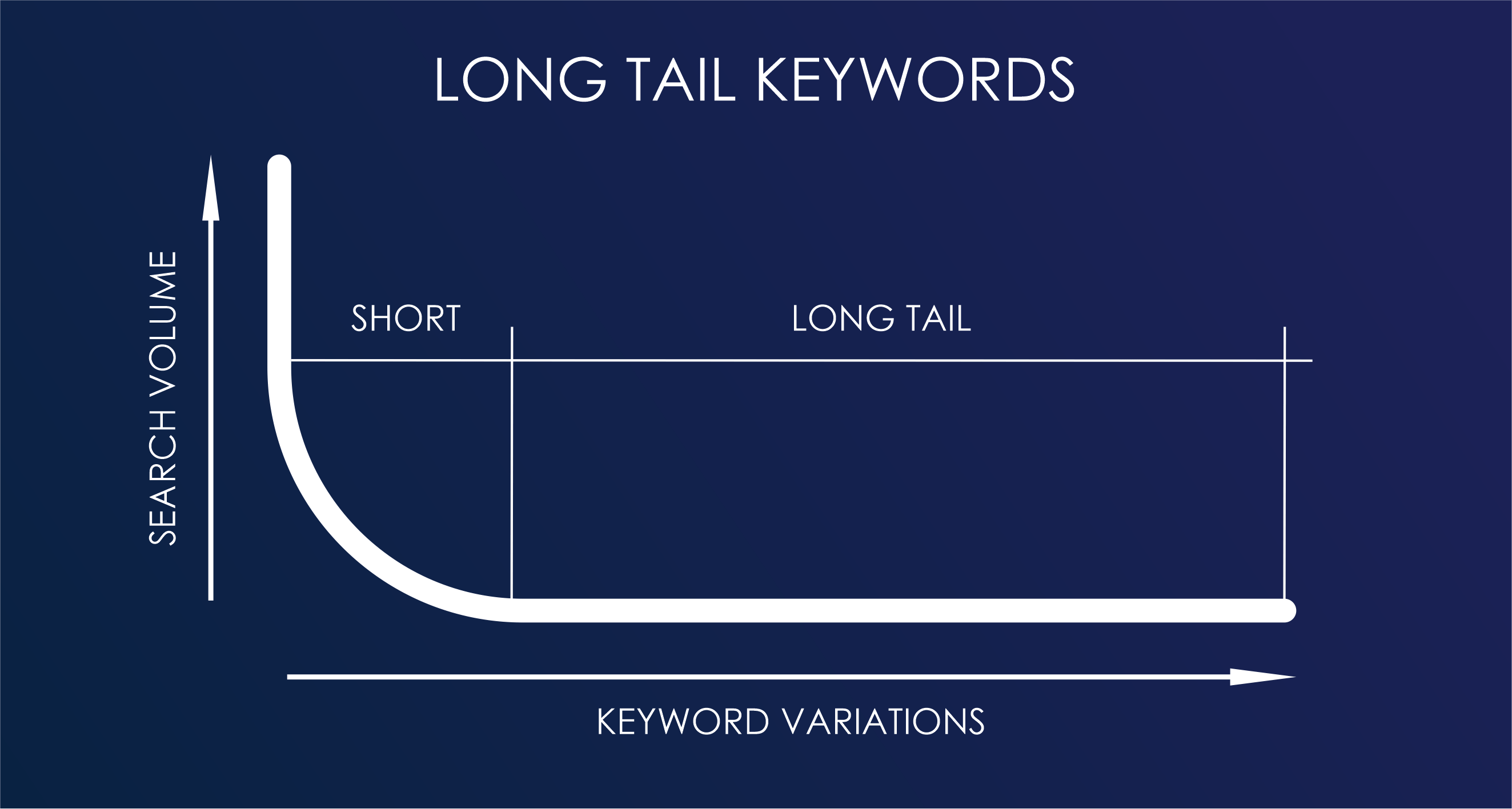
Not all spam targets popular terms—those are too competitive. Instead, farms focus on the “long tail” of search: obscure, low-volume queries.
Gldyql fits perfectly because:
- Zero Legitimate Competition — No real product means easy top rankings.
- Curiosity-Driven Searches — People who encounter it (via typos or memes) search, creating organic traffic.
- Plausibility — It sounds techy (like “GraphQL” or brand names), making fake articles believable at first glance.
- Low Risk — If de-ranked, the cost is minimal.
Compare this to traditional keywords:
| Keyword Type | Competition Level | Traffic Potential | Spam Viability | Example |
|---|---|---|---|---|
| High-Volume | Extreme | Massive | Low | “best laptop” |
| Mid-Tail | High | Moderate | Medium | “AI tools 2026” |
| Long-Tail Real | Medium | Targeted | Medium | “best CRM for small business” |
| Gibberish/Low-Comp | None | Curiosity-based | High | gldyql |
Real-World Applications? None—But Lessons for Businesses and Users
Ironically, while fake gldyql articles claim “real-world applications” in data management or innovation, the actual use case is educational: understanding spam.
For businesses:
- It shows why investing in genuine content matters—authentic expertise outlasts spam.
- Highlights risks of AI content without human oversight (it can veer into misinformation).
For users:
- Train yourself to spot red flags: generic sites, contradictory info, no sources.
- Use tools like “site:reddit.com” or trusted domains for verification.
Industry examples include past spam waves (e.g., 2010s article directories) now amplified by AI.
The Technology Powering This Spam: Generative AI and Automation
At the heart is generative AI:
- Models like GPT-4o or equivalents create fluent text.
- SEO Tools (Ahrefs clones, Surfer SEO) optimize for density.
- Automation Platforms (Zapier, custom scripts) handle deployment.
This creates a feedback loop: AI generates content → ranks → earns money → funds more AI.
It’s innovative in a twisted way—applying cutting-edge tech to old black-hat tactics.
Benefits of This Tactic (for Spammers) and Why It Persists
For operators:
- Low Cost — Pennies per article.
- Passive Income — Once ranked, traffic flows automatically.
- Scalability — One person can manage hundreds of sites.
But benefits for the ecosystem? None. It pollutes search results, erodes trust, and wastes user time.
Limitations and Vulnerabilities of AI Spam Farms
Despite success, these operations have weaknesses:
- Detection Improvements → Google’s Helpful Content Update (2023–ongoing) and 2026 spam crackdowns target mass-produced content.
- Manual Penalties → Networks get deindexed.
- Short Lifespan → Many gldyql sites already fading as algorithms catch up.
- User Backlash → Frustrated searchers report spam.
How Gldyql Spam Differs from Traditional SEO Tactics
Traditional black-hat SEO involved keyword stuffing, link farms, or cloaking.
Modern AI spam is subtler:
- Human-Like Quality — Reads naturally (at first).
- Scale — Thousands vs. dozens of pages.
- Adaptability — AI rewrites to evade filters.
Yet the goal remains: game the system rather than provide value.
The Future Potential: Will AI Spam Win, or Will Search Engines Prevail?
Looking ahead:
- Search Engines Fighting Back → Expect more AI detection (e.g., watermarking, behavioral analysis).
- Regulatory Pressure → Potential laws on AI content disclosure.
- Rise of Alternatives → Users shifting to curated sources (newsletters, communities) or AI overviews that bypass spam.
- Positive Innovation → AI used for good: better personalization, fact-checking.
The digital future depends on balancing innovation with integrity. Trends like gldyql show the risks, but also the opportunity for cleaner, more reliable information ecosystems.
Is This Safe or Reliable? The Risks of Engaging with Spam Content
No—clicking gldyql-style sites risks:
- Malware from shady ads.
- Misinformation influencing decisions.
- Wasted time on worthless content.
Always verify sources. Reliable tech info comes from established sites (TechCrunch, GitHub, official docs), not random blogs.
Who Should Care About the Gldyql Phenomenon?
Everyone using the internet:
- Content Creators — To differentiate with authentic work.
- Marketers — To avoid penalties for similar tactics.
- Developers/Tech Pros — To understand evolving search landscapes.
- Everyday Users — To navigate information better.
Common Problems and Misconceptions
- Misconception: All AI content is spam. Reality: AI assists great content when human-edited.
- Problem: Assuming top results are trustworthy. Solution: Check dates, authors, cross-reference.
- Misconception: Gibberish keywords are harmless. Reality: They clutter search and enable larger scams.
FAQ
What is gldyql in technology?
Gldyql is not a real technology. It’s a nonsense keyword used in AI-generated spam articles to manipulate search rankings. No legitimate software, platform, or innovation exists under this name.
How does gldyql “work” according to spam sites?
Spam articles claim it works as everything from adaptive databases to content tools, but these are fabricated. There’s no underlying mechanism because it doesn’t exist.
Is gldyql safe or reliable?
No—sites promoting it are low-quality spam, potentially with ads or links leading to risks. Avoid engaging.
Who should use gldyql?
No one, because it’s not real. Focus on proven technologies instead.
What are the latest updates on gldyql-like spam in 2026?
Search engines continue rolling out updates targeting AI spam. Many gldyql articles have already dropped in rankings as of February 2026.
Are there common misconceptions about terms like gldyql?
Yes—people sometimes think they’re emerging tech due to convincing AI writing. Always verify with multiple reputable sources.
How can I avoid falling for similar spam?
Use trusted sites, check for author expertise, and look for consistent information across sources.
Conclusion: Toward a Healthier Digital Future
The gldyql saga isn’t about a revolutionary technology—it’s a warning about the vulnerabilities in our information ecosystem. As AI advances, so do manipulation tactics, but so do defenses.
For tech enthusiasts, creators, and users, the path forward is clear: prioritize quality, transparency, and critical thinking. Support authentic content, report spam, and demand better from platforms.
Next step? The next time you encounter an obscure term dominating search, pause and investigate. Your skepticism helps build a better web for everyone.


Leave a Reply