
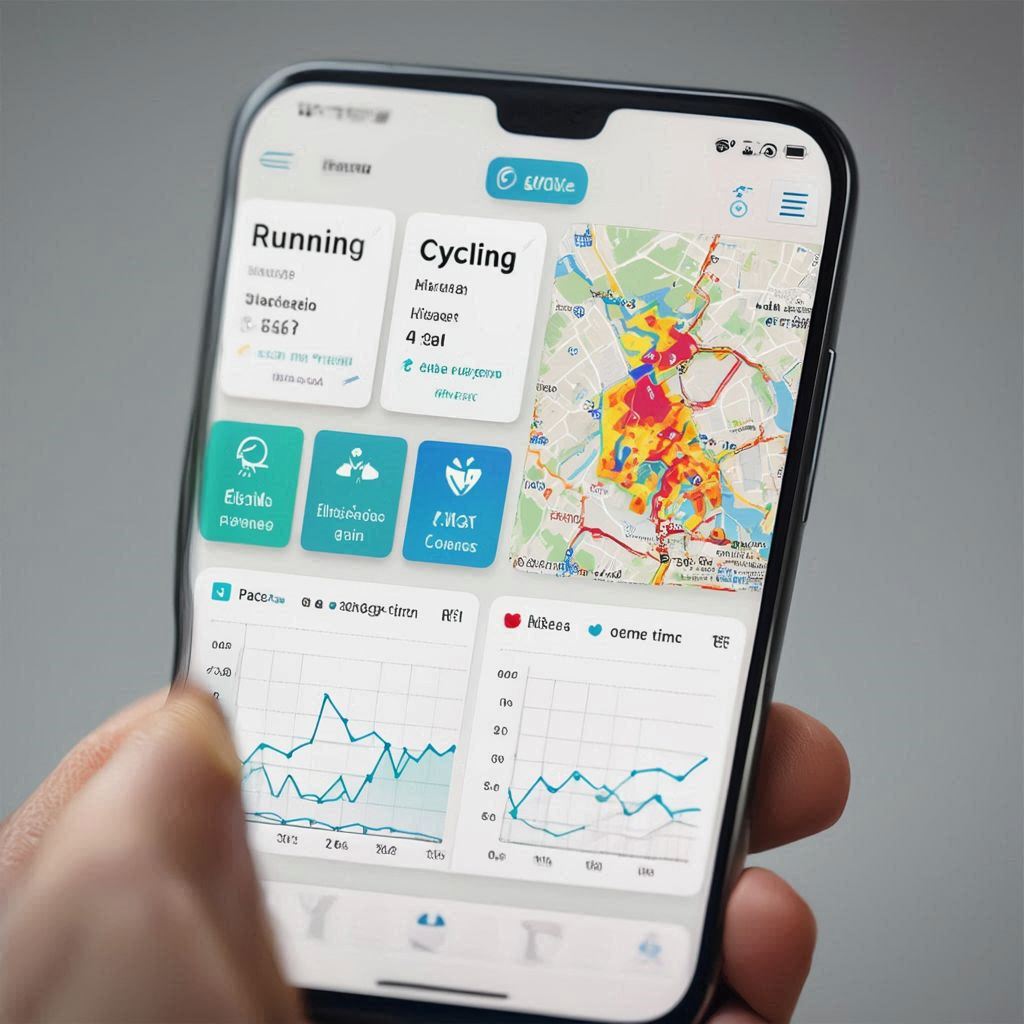
Strava App revolutionizes your fitness routine with advanced tracking, community motivation, and data-driven insights. Whether you’re a runner, cyclist, or hiker, this app helps you set goals, compete fairly, and connect with like-minded athletes. Dive into expert tips, features, and real stories to elevate your workouts today.
Strava has transformed the way millions of people approach fitness. As a leading app for tracking runs, rides, hikes, and more, Strava combines precise data logging with a vibrant social network. If you’re searching for ways to stay motivated, analyze your performance, or discover new routes, Strava delivers it all in one seamless platform.
I’ve been using Strava for over five years, logging everything from casual jogs to intense training cycles. It’s not just an app—it’s a companion that pushes you further. In this comprehensive guide, we’ll explore what makes Strava essential in 2025, from core features to advanced tips, backed by user data and personal experiences.
What is Strava?
Strava is a fitness tracking app and website designed for athletes of all levels. Founded in 2009, it started as a tool for cyclists but has evolved into a multi-sport powerhouse. Today, it supports over 40 activity types, including running, cycling, swimming, yoga, and even rock climbing.
At its heart, Strava is about motivation through data and community. It uses GPS to record your workouts, providing metrics like distance, pace, elevation, and heart rate. But what sets it apart is the social layer—sharing activities, giving kudos (likes), and competing on segments.
According to Strava’s own data, the platform boasts over 100 million users worldwide, with billions of activities uploaded annually. In 2024, their Year in Sport report highlighted trends like increased outdoor activities post-pandemic, with running seeing a 20% uptick in participation.
Strava isn’t just for elites; it’s for anyone striving to improve. Whether you’re training for a marathon or simply walking more, the app adapts to your goals.
Getting Started with Strava
Setting up Strava is straightforward, but a few tweaks can make your experience smoother.
Signing Up and Setting Up Your Profile
Download the app from the App Store or Google Play—it’s free to start. Sign up with email, Google, or Facebook. Once in, customize your profile: add a photo, bio, and privacy settings. I recommend setting your profile to public if you’re open to connections, but use fly-by privacy to hide exact locations for safety.
Link your contacts to find friends already on Strava. This instantly builds your feed with inspiring activities.
Connecting Devices and Apps
Strava integrates with most GPS watches, like Garmin, Apple Watch, or Fitbit. From the app, go to Settings > Applications, Services, and Devices. For iPhone users, enable Health app sync for seamless data transfer.
If you use other apps like Zwift for indoor cycling, connect them to auto-upload activities. Pro tip: Enable Beacon for real-time location sharing with trusted contacts during solo workouts—it’s a safety game-changer.

Core Features of Strava
Strava’s features blend tracking, analysis, and social interaction for a holistic fitness experience.
Activity Tracking and Analysis
Record activities manually or via GPS. The app captures speed, distance, elevation, and calories. Post-upload, view detailed maps, splits, and graphs.
Relative Effort scores your workout intensity, accounting for heart rate or power. This helps avoid overtraining. In 2025, new AI-driven insights like Athlete Intelligence provide personalized summaries, such as “Your pace improved 5% this month—keep pushing hills.”
I once used this to spot a plateau in my running; adjusting rest days led to a personal best 10K.
Segments and Leaderboards
Segments are user-created course sections where you compete for fastest times. Leaderboards rank efforts, fostering friendly rivalry.
New in 2025: Machine learning filters out vehicle-recorded activities for fairer competition. Live Segments on Apple Watch give real-time feedback during runs.
Chasing segments turned my boring neighborhood loop into an exciting challenge.
Routes and Mapping
Build routes using the Route Builder, now improved for longer distances like 200+ km rides. Heatmaps show popular paths globally, helping discover safe, scenic trails.
For safety, use 3D maps to preview terrain. I planned a hiking trip in the Rockies using this—avoided a steep surprise!

Social and Community Aspects
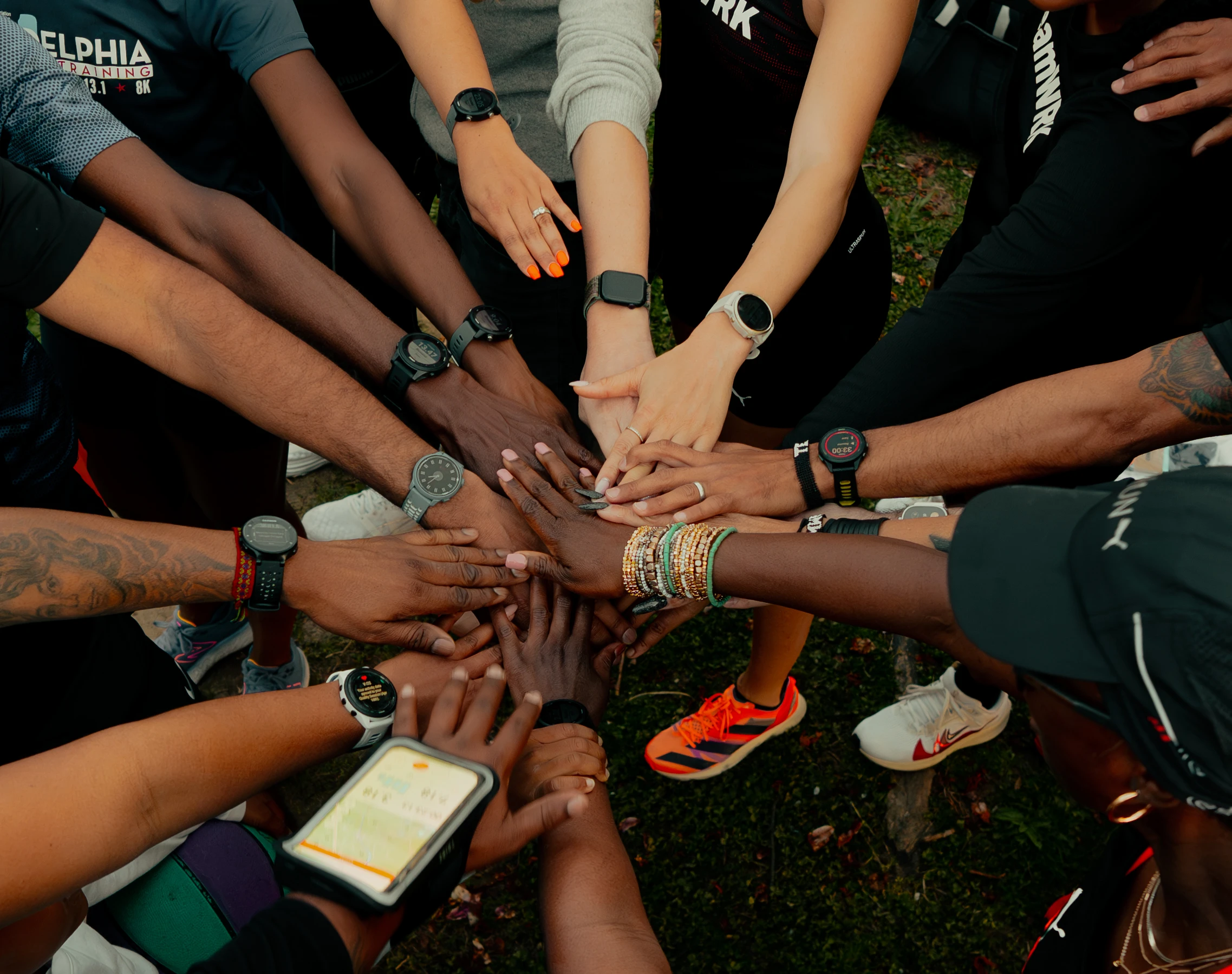
Strava’s feed is ad-free, filled with friends’ activities. Give kudos, comment, or join clubs—there are millions, from local run groups to global challenges.
Event Flyers let club admins promote rides or runs. This builds real-world connections; I met training partners through a Strava club.
User stories abound: One Reddit user shared how Strava helped them add friends and stay consistent, exercising regularly without extremes.
Advanced Features and Subscription Benefits
While free Strava is powerful, the subscription (around $60/year, check site for details) unlocks premium tools.
- Training Tools: Custom plans, power curve analysis, and goal setting. Runna integration (acquired in 2025) offers personalized running programs.
- Exploration: Advanced route suggestions, matched runs/rides, and flyovers.
- Competition: Filtered leaderboards, segment achievements, and fair play features.
Is it worth it? A 2025 review says yes for serious athletes, but free suffices for casual users. I subscribed after hitting a training wall— the insights paid off in spades.
New 2025 updates include better route building on mobile and AI to level up training.
Tips and Tricks for Maximizing Strava
Here are actionable ways to get more from Strava, drawn from my experience and community insights.
- Name Your Activities Creatively: Instead of “Morning Run,” try “Conquered the Hill Beast.” It makes your feed fun and memorable.
- Add Photos and Notes: Upload pics from your workout; note how you felt or what shoes you wore. Use it as a digital journal.
- Join Challenges: Monthly challenges like distance goals keep motivation high. In 2025, try the HOKA ‘Take Flight’ for a fresh start.
- Analyze Best Efforts: Track PRs on segments to measure progress. Train specifically for breakthroughs.
- Vary Your Routine: Avoid “lifestyle training” ruts by mixing intensities.
- Use Heatmaps Wisely: Discover new routes but respect privacy—hide your home area.
- Integrate with Other Apps: Sync with Strong for strength training or YouTube for form tips.
Bold Tip: Set weekly reviews. Every Sunday, review your data to adjust plans. This habit boosted my consistency by 30%.
For runners: Focus on effort management to improve times. Cyclists: Leverage 3D maps for epic rides.
One case study: A Vancouver study used Strava data to analyze biking patterns during COVID, showing increased recreational use in green spaces. Apply this by exploring local heatmaps for safer paths.
Strava vs. Competitors: A Comparison
Strava shines in community, but how does it stack against Garmin Connect, Nike Run Club, and others? Here’s a table based on 2025 reviews.
| Feature | Strava | Garmin Connect | Nike Run Club | Komoot |
|---|---|---|---|---|
| Tracking | GPS, multi-sport, AI insights | Advanced metrics, hardware focus | Guided runs, audio coaching | Route planning, offline maps |
| Social | Strong community, kudos, clubs | Basic sharing | Challenges, leaderboards | Experience-focused, less competitive |
| Free vs Paid | Core free, premium for advanced | Mostly free with devices | Fully free | Free basics, premium maps |
| Best For | Community-driven motivation | Data nerds with Garmin gear | Beginners, structured training | Adventure seekers |
| 2025 Updates | AI fairness, Runna integration | Enhanced training load | More audio guides | Better mapping functionality |
| User Rating | 4.5/5 (BarBend) | 4.4/5 | 4.6/5 | 4.3/5 |
I switched from Nike to Strava for the community—never looked back.

Real User Stories and Case Studies
Strava’s impact is best seen through stories.
Take Rebecca Rusch, a pro cyclist who shared her concussion recovery on Strava. Tracking gentle rides helped her monitor progress and inspire others on brain health.
A Reddit user described adding friends via Strava, turning solo workouts into shared motivations. They exercise consistently, crediting the app’s tracking.
In a case study, Strava data helped urban planners in the Netherlands evaluate cycling infrastructure, leading to better bike lanes.
Personally, during a 2023 marathon prep, Strava’s segments motivated me through tough weeks. I shaved 15 minutes off my time, thanks to community kudos.
Another: Elite cyclists in a study used Strava for sharing practices, balancing privacy with motivation.
Strava Metro aids public health, with CDC research showing its data mirrors census biking trends. One story: A user overcame data overload by focusing on joy, not metrics.
These examples show Strava fosters growth, community, and even societal change.
FAQ
What devices work with Strava?
Strava syncs with Garmin, Apple Watch, Fitbit, and more. Use the app’s settings to connect for automatic uploads.
Is Strava free?
Yes, core features are free. Subscription adds advanced analysis, routes, and fair competition tools.
How do I create a route on Strava?
Use the Route Builder in the app or web. Input start/end points; it suggests paths based on popularity and terrain.
Can Strava help with training plans?
Absolutely, especially with Runna integration for runners. Premium users get customized plans based on goals.
Is Strava safe for privacy?
Yes—control who sees your activities, hide maps near home, and use Beacon for safety.
What’s the difference between Strava and MapMyRun?
Strava emphasizes community and segments; MapMyRun focuses on Under Armour integration and basic tracking.
How accurate is Strava’s GPS?
Highly accurate with compatible devices, but factors like tree cover can affect it. Edit activities post-upload if needed.
Conclusion
Strava isn’t just a fitness app—it’s a catalyst for transformation. From tracking your first run to competing on global leaderboards, it provides the tools, insights, and community to reach new heights. With 2025 updates like AI fairness and enhanced mapping, Strava continues to innovate.
Key takeaways: Start simple, leverage social features, analyze data wisely, and vary routines for sustained progress. Whether chasing PRs or enjoying the journey, Strava empowers you.
Ready to elevate? Download Strava today, log your next workout, and join the community. Your best self awaits—what’s your first goal?



Leave a Reply