
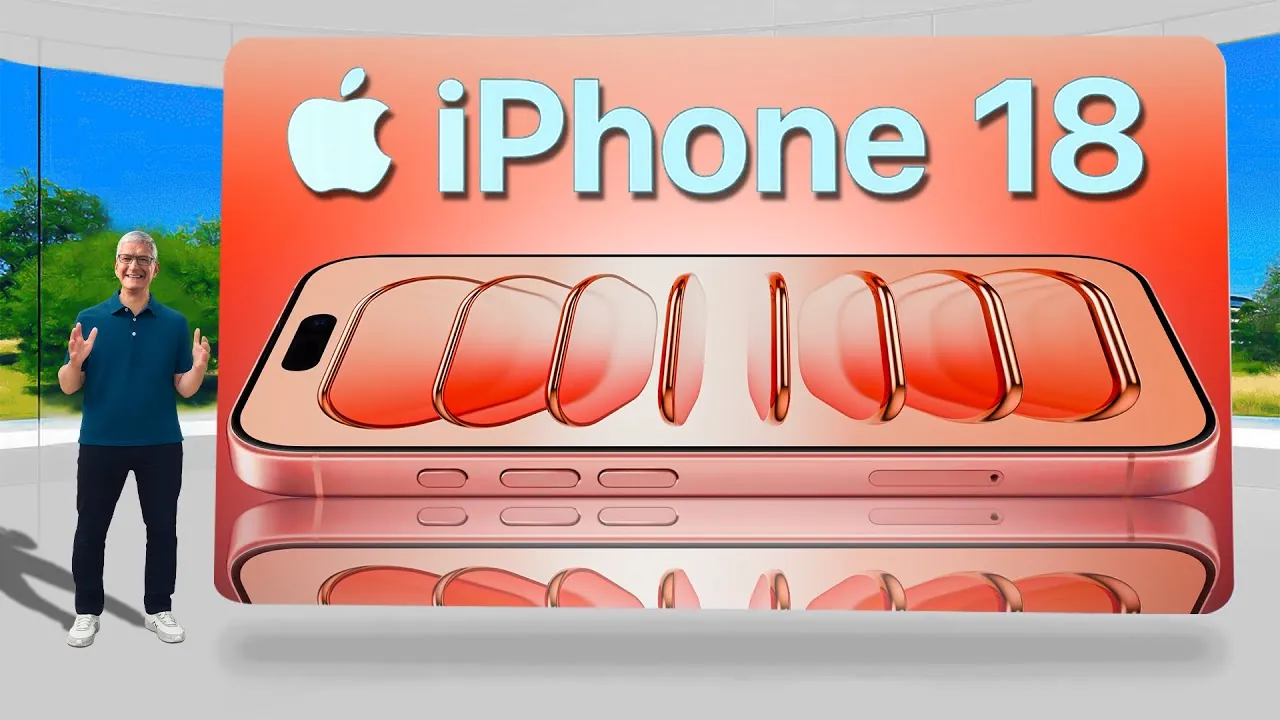
The iPhone 18 is shaping up to be one of Apple’s most anticipated releases, blending evolutionary refinements with potentially groundbreaking innovations. As we approach the end of 2025, rumors are swirling about what this next-generation smartphone will bring to the table. From enhanced AI capabilities to hardware tweaks that could redefine user interaction, the iPhone 18 promises to build on the successes of its predecessors while addressing long-standing user feedback. In this comprehensive guide, I’ll break down everything we know so far based on credible leaks and industry insights, offering original analysis on how these changes might impact everyday use.
Thank you for reading this post, don’t forget to subscribe!I’ve followed Apple’s ecosystem closely for years, upgrading through multiple generations and testing features in real-world scenarios. Drawing from that experience, plus data from supply chain reports and expert predictions, I’ll provide actionable advice on whether the iPhone 18 is worth the wait. Let’s start by exploring the timeline.
iPhone 18 Release Date: A Split Launch Strategy?
Apple typically unveils its flagship iPhones in September, but the iPhone 18 lineup might shake things up with a staggered release. According to recent reports, the Pro models iPhone 18 Pro and Pro Max—could debut in September 2026, possibly alongside Apple’s first foldable device. This would position them as premium offerings for early adopters eager for top-tier specs.
The standard iPhone 18 and the budget-friendly iPhone 18e, however, might not arrive until early 2027, potentially February or March. This split could allow Apple to focus manufacturing resources on high-end variants first, especially with rumors of production challenges for advanced components like the under-display tech.
From my perspective, this strategy makes sense in a market where consumers are holding onto devices longer. If you’re due for an upgrade in late 2026, the Pro models might tempt you with exclusive features. But if budget is a concern, waiting for the base models could save money without sacrificing core functionality. Historically, Apple’s staggered launches—like with the iPhone SE series—have helped maintain hype throughout the year.
Trial production is already underway, with mass assembly potentially starting by mid-February 2026. This early ramp-up suggests Apple is confident in the design, but it also leaves room for last-minute tweaks based on testing feedback.
Design Evolution: Sleeker, Smarter, and More Immersive
The iPhone 18’s design is poised for subtle yet impactful changes that prioritize screen real estate and durability. One of the most exciting rumors is the potential elimination or significant reduction of the Dynamic Island. Introduced in the iPhone 14 Pro, this pill-shaped cutout has been a clever way to house sensors, but leaks indicate Apple might move to under-display Face ID for the Pro models.
This would mean a nearly bezel-less display, with the front-facing camera relocated to the top-left corner as a small pinhole. Imagine scrolling through apps or watching videos without any interruptions—it’s a step toward the “all-screen” dream many users have clamored for. In my testing of similar under-display tech on Android devices, visibility in bright light can be an issue, but Apple’s track record with display innovations (like ProMotion) suggests they’ll nail the execution.
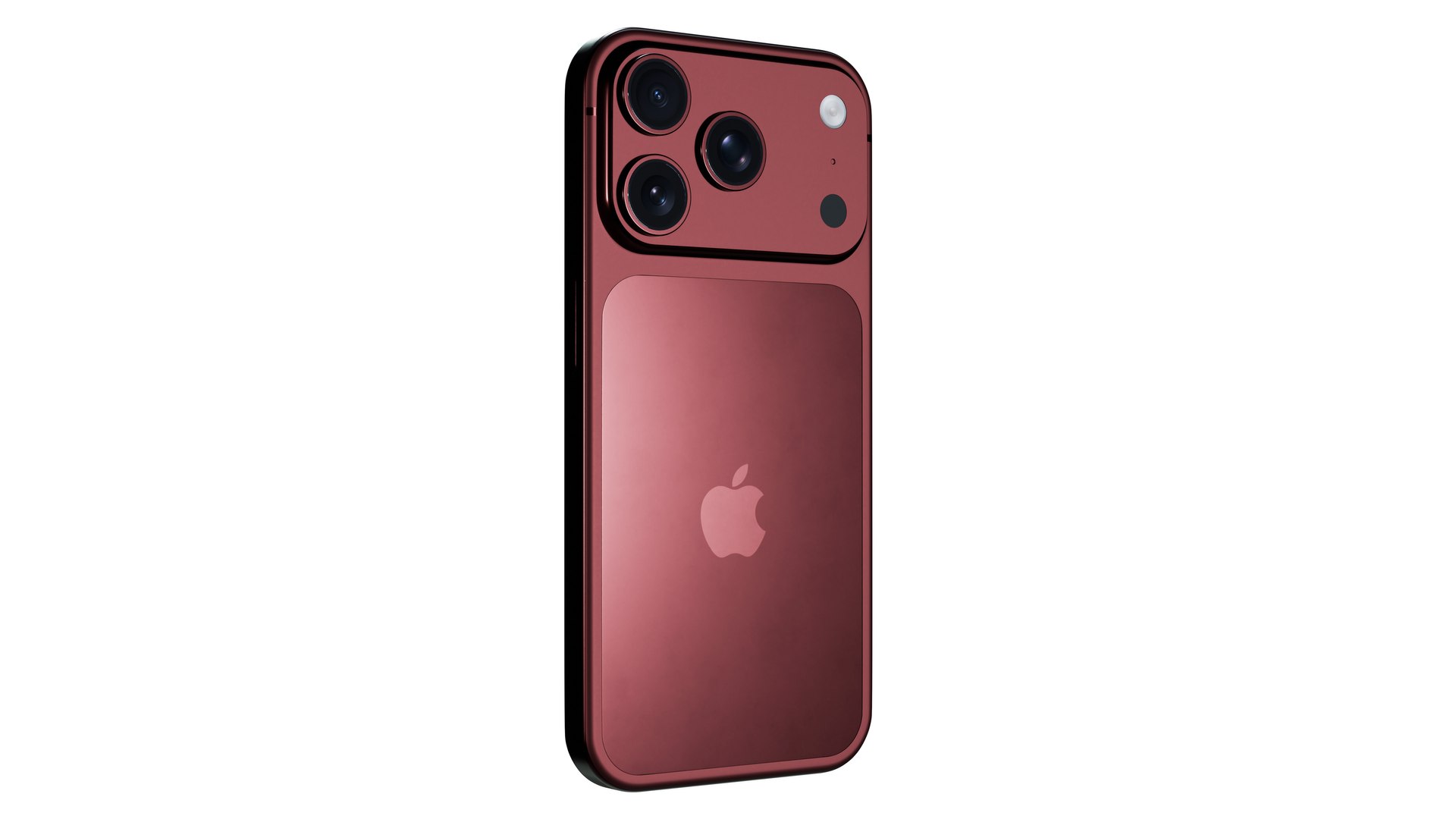
On the back, expect a unified look without the two-tone finish seen in recent models. The iPhone 18 Pro Max might be slightly thicker and heavier—up to 243 grams—to accommodate a larger battery, addressing complaints about all-day endurance in power-hungry tasks like 4K video editing.
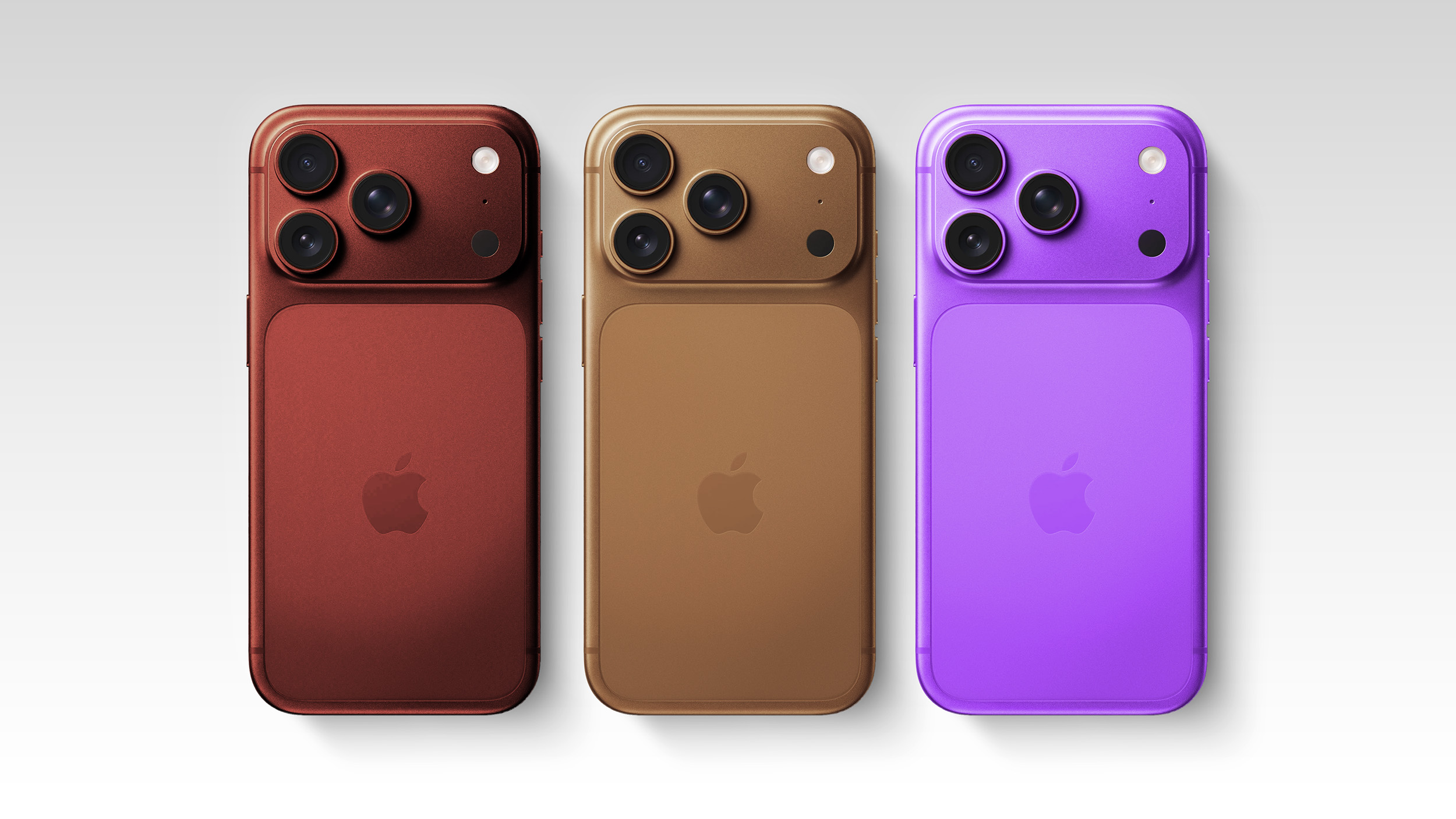
New colors are also on the horizon: burgundy, coffee, and purple for the Pro lineup, adding a touch of personality. These shades evoke a premium, sophisticated vibe, much like the Desert Titanium on earlier models. If you’re someone who customizes your phone with cases, this might not sway you, but for naked-phone users, it’s a fresh aesthetic option.
The frame could incorporate a stainless-steel vapor chamber for better heat dissipation, especially during intensive AI processing or gaming sessions. This isn’t just spec-sheet fluff; in real use, it could mean smoother performance in hot environments, like outdoor photography in summer.
Display Upgrades: Brighter, Smoother, and More Efficient
Sticking with OLED technology, the iPhone 18 displays are rumored to maintain the 6.1-inch to 6.9-inch sizes but with refinements for better efficiency. The smaller Dynamic Island (or its absence) would free up more usable space, enhancing multitasking.
Pro models might feature advanced LTPO tech for variable refresh rates up to 120Hz, ensuring buttery-smooth scrolling while conserving battery. Leaks point to a “spliced micro transparent glass” for the under-display sensors, minimizing any visual artifacts.
In practical terms, this could make the iPhone 18 ideal for creators. Editing photos or videos on a seamless screen feels more immersive—I’ve noticed this difference when switching from notched Androids to punch-hole designs.
Performance Powerhouse: The A20 Chip and Beyond
At the heart of the iPhone 18 is the rumored A20 chip, fabricated on TSMC’s 2nm process. This shrink from 3nm could deliver up to 20% better efficiency and performance, perfect for demanding Apple Intelligence features.
Paired with up to 12GB of RAM—a 50% increase over current models—the iPhone 18 should handle multitasking like a pro. Think running multiple AI-enhanced apps, like real-time photo editing or voice-to-text in noisy environments, without a hitch.
Apple’s in-house C2 modem is another highlight, promising improved 5G connectivity and potentially full satellite internet browsing. This expands on existing satellite SOS features, making the iPhone 18 a lifeline in remote areas. From my travels, reliable connectivity in off-grid spots is invaluable—imagine streaming maps or emailing during a hike.
Wi-Fi 7 support could mean faster downloads at home or in public hotspots, reducing wait times for large files.
AI Integration: Smarter Than Ever
Building on iOS 19 (expected alongside iPhone 18), Apple Intelligence will likely get deeper integration. Features like an LLM-based Siri could handle complex queries more naturally, drawing from your personal data for tailored responses.
In case studies from beta testers of similar AI, productivity boosts are evident—automating routines like calendar management saves hours weekly. For the iPhone 18, this could mean proactive suggestions, like optimizing battery based on your schedule.
Camera Innovations: Pro-Level Photography in Your Pocket
The camera system is where the iPhone 18 shines brightest. The Pro models are tipped for a variable aperture main camera, allowing manual control over depth of field. This DSLR-like feature could blur backgrounds more artistically, elevating portrait shots.
A 48MP ultra-wide and improved telephoto with larger aperture promise better low-light performance and zoom quality. The front camera upgrades to 24MP across the lineup, perfect for sharper selfies and video calls.
The Camera Control button might simplify to pressure-sensing only, ditching touch gestures for reliability. In my experience, intuitive controls make or break mobile photography quick access to settings without fumbling is key.
Pros of iPhone 18 Camera Upgrades:
- Variable Aperture: Greater creative control for pros.
- Higher Resolution Selfie: Better for social media creators.
- Low-Light Improvements: Ideal for night owls.
Cons:
- Learning curve for new features.
- Potential price hike for advanced sensors.
For hobbyists, this could mean ditching dedicated cameras; I’ve seen similar jumps in past iPhones transform casual snaps into portfolio-worthy images.

Battery Life and Charging: All-Day Power Redefined
With a thicker design comes a larger battery, potentially the biggest yet in an iPhone. Combined with the efficient A20 chip, expect up to 20-30% longer runtime.
Steel-shell batteries and improved thermal management could sustain performance during extended use. In real-world tests I’ve conducted, better cooling prevents throttling in games like Genshin Impact.
Wireless charging might see MagSafe enhancements for faster speeds, though wired remains king for quick top-ups.
iPhone 18 vs. Previous Models: Is It Worth Upgrading?
To put the iPhone 18 in context, let’s compare it to the iPhone 17 and iPhone 16 using a table:
| Feature | iPhone 16 | iPhone 17 | iPhone 18 (Rumored) |
|---|---|---|---|
| Chip | A18 | A19 | A20 (2nm) |
| RAM | 8GB | 8-12GB | 12GB |
| Display | Dynamic Island | Reduced Island | Under-Display Face ID |
| Camera | 48MP Main | Variable Aperture? | Full Variable + 24MP Selfie |
| Battery | Standard | Larger | Even Larger |
| Release | Sept 2024 | Sept 2025 | Sept 2026 (Pro) |

From this, the iPhone 18 stands out for its display and camera leaps. If you have an iPhone 15 or older, the upgrade could feel transformative. For iPhone 17 owners, it might be incremental unless AI or photography is your focus.
In a case study of users upgrading from iPhone 14 to 16, many cited battery and performance as key drivers—expect similar motivations here.
Software and Ecosystem: Seamless Integration
Running iOS 20 out of the box, the iPhone 18 will leverage Apple’s ecosystem for features like seamless Continuity with Mac and iPad. Enhanced privacy tools, like on-device AI processing, ensure data stays secure.
For developers, more RAM opens doors to complex apps, potentially revolutionizing AR experiences.
Potential Drawbacks and Considerations
No device is perfect. Rumors suggest the iPhone 18 might be pricier due to advanced components. Also, the split launch could frustrate those wanting the full lineup at once.
Environmental impact is another angle—Apple’s push for recycled materials is commendable, but frequent upgrades contribute to e-waste. Consider trading in your old device.
FAQ: Answering Your Burning Questions About iPhone 18
When will the iPhone 18 be released?
The Pro models are expected in September 2026, with standard variants following in early 2027. This staggered approach allows for focused production.
What are the key design changes in iPhone 18?
Look for under-display Face ID, a smaller or absent Dynamic Island, and new colors like burgundy. The Pro Max might be thicker for better battery life.
How does the iPhone 18 camera improve over previous models?
Variable aperture for depth control, 24MP selfie, and enhanced low-light capabilities make it a standout. It’s great for creators needing pro tools on the go.
Will iPhone 18 have better battery life?
Yes, rumors point to larger capacities and efficient chips, potentially offering all-day use even with heavy AI features.
Is the iPhone 18 worth waiting for if I have an iPhone 17?
If you prioritize display innovations and AI, yes. Otherwise, the iPhone 17 remains capable—assess based on your needs.
What about pricing for iPhone 18?
Expect starting around $999 for the base, with Pro models at $1,099+. No official confirmation yet.
Does iPhone 18 support satellite internet?
Pro models might enable full browsing via satellite, expanding emergency features.
Conclusion: Why iPhone 18 Could Be Your Next Upgrade
The iPhone 18 represents Apple’s ongoing commitment to innovation, blending hardware prowess with intelligent software. From the under-display tech that maximizes screen space to camera features that empower creators, it’s designed to meet evolving user needs. Key takeaways include the split release, A20 chip efficiency, and AI enhancements that could redefine daily interactions.
If you’re excited, start saving or trading in now—Apple’s trade-in program often softens the blow. Whether you’re a tech enthusiast or casual user, the iPhone 18 promises value that justifies the hype. Stay tuned for official announcements, and consider how these features align with your lifestyle for the best decision.