
LTE or 5G is a question many people ask when buying a new phone or picking a data plan. With technology moving fast, it’s easy to feel confused about what each one offers and which fits your life better.
This guide breaks it down simply. We’ll look at how they work, their speeds, coverage, and more. By the end, you’ll know if sticking with LTE or switching to 5G makes sense for you—whether you’re in a busy city, a quiet rural spot, or just using your phone for everyday stuff.

Understanding LTE: The Reliable 4G Standard
LTE stands for Long-Term Evolution. It’s the tech behind what we call 4G networks. It came out over a decade ago and changed how we use mobile internet.
LTE uses radio waves to send data quickly and steadily. It works well on lower frequencies, which travel far and go through walls easily. That’s why it’s great for broad coverage.
In daily life, LTE handles most tasks without issues. You can stream music, scroll social media, or make clear video calls. Real speeds often hit 20-80 Mbps, enough for smooth HD video.
Many improvements, like LTE-Advanced, pushed it further. Today, it’s the backbone for billions of connections worldwide.
Exploring 5G: The Next Generation Network
5G is the latest mobile standard, rolling out since 2019. It promises much more than faster downloads—it’s built for a connected future.
5G uses different frequency bands: low for wide reach, mid for balanced performance, and high (mmWave) for super speeds in small areas. Technologies like beamforming direct signals right to your device.
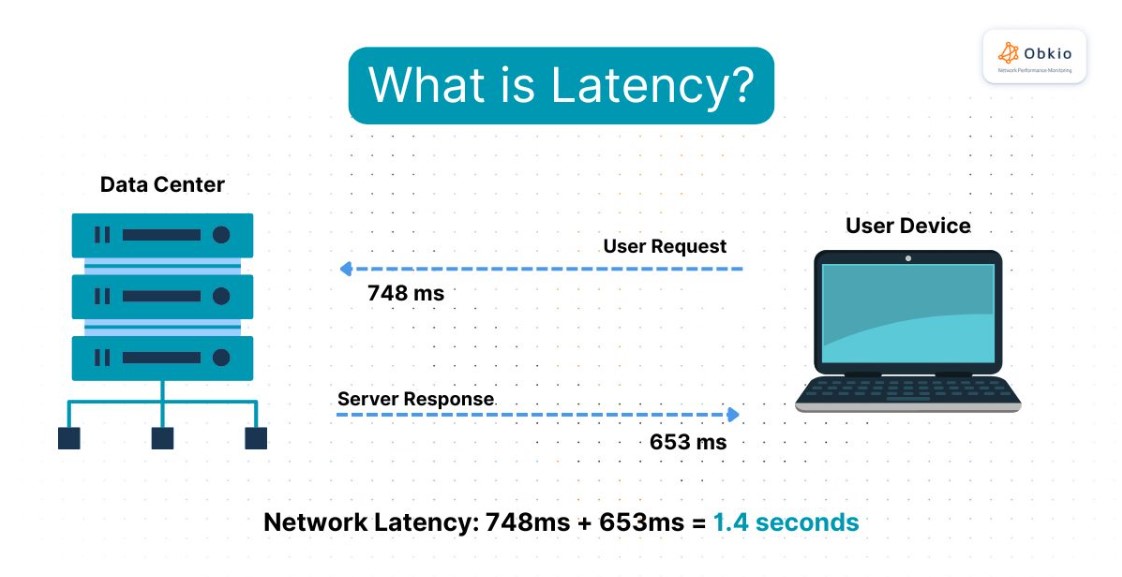
Real-world benefits include quicker load times and less lag. In good spots, downloads can fly at 500 Mbps or more. Latency can drop below 10 milliseconds, making things feel instant.
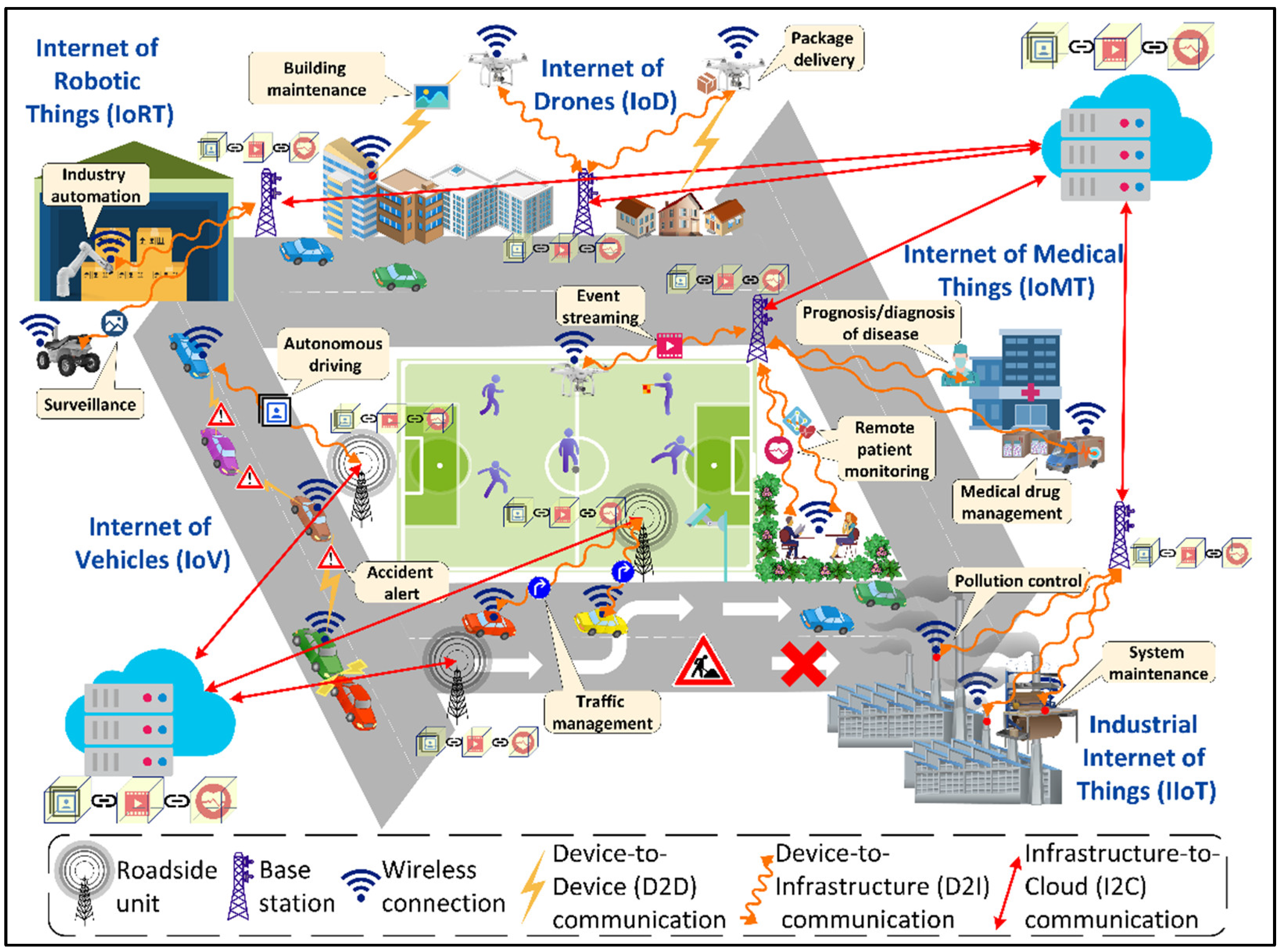
It’s designed for heavy use, like virtual reality or smart devices talking to each other.

LTE or 5G: Key Differences at a Glance
Here’s a quick comparison to see how LTE or 5G stack up:
| Feature | LTE (4G) | 5G |
|---|---|---|
| Peak Theoretical Speed | Up to 1 Gbps | Up to 20 Gbps |
| Average Real Speed | 20-100 Mbps | 100-1000+ Mbps (varies by band) |
| Latency | 30-50 ms | 1-10 ms |
| Coverage Range | Excellent, far-reaching | Good in cities, limited rural |
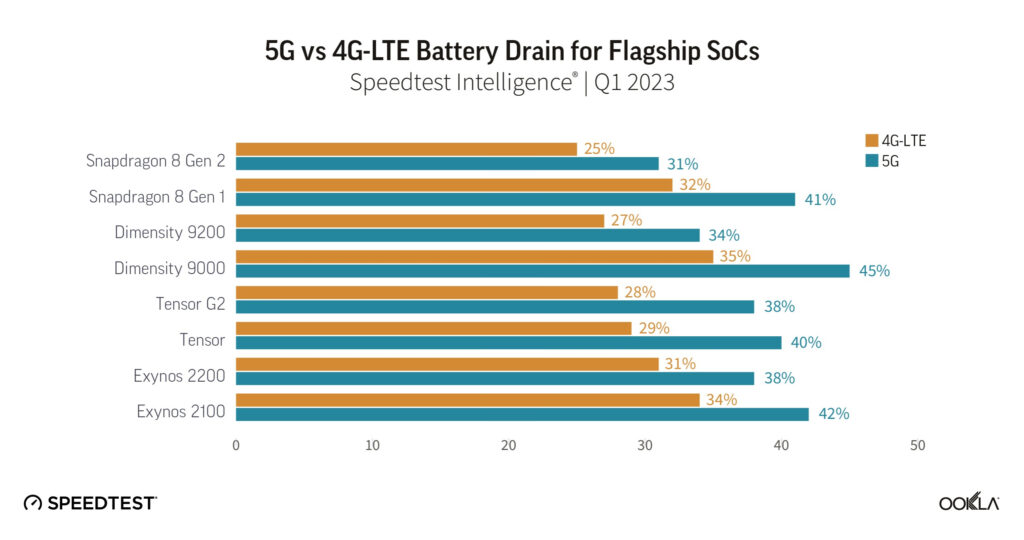
| Battery Use | More efficient | Can drain faster |
| Best For | Everyday reliability | High-demand apps and future tech |

How Speeds Compare in Real Life
Everyone talks about speed when debating LTE or 5G. On paper, 5G blows LTE away. But actual performance depends on where you are.
LTE delivers consistent speeds for most people. You won’t wait long for apps to open or videos to start.
5G shines in supported areas, especially mid-band. Files download in seconds, and streaming feels effortless even in 4K.
In crowded places, 5G handles more users without slowing down as much.

Coverage Around the World
Coverage is huge for deciding LTE or 5G. LTE reaches almost everywhere now, including remote areas.
5G is growing fast in cities and suburbs. By late 2025, it’s available to over half the world’s population, but rural spots often still rely on LTE.
If you travel or live outside major areas, LTE keeps you connected reliably.

Impact on Your Phone’s Battery
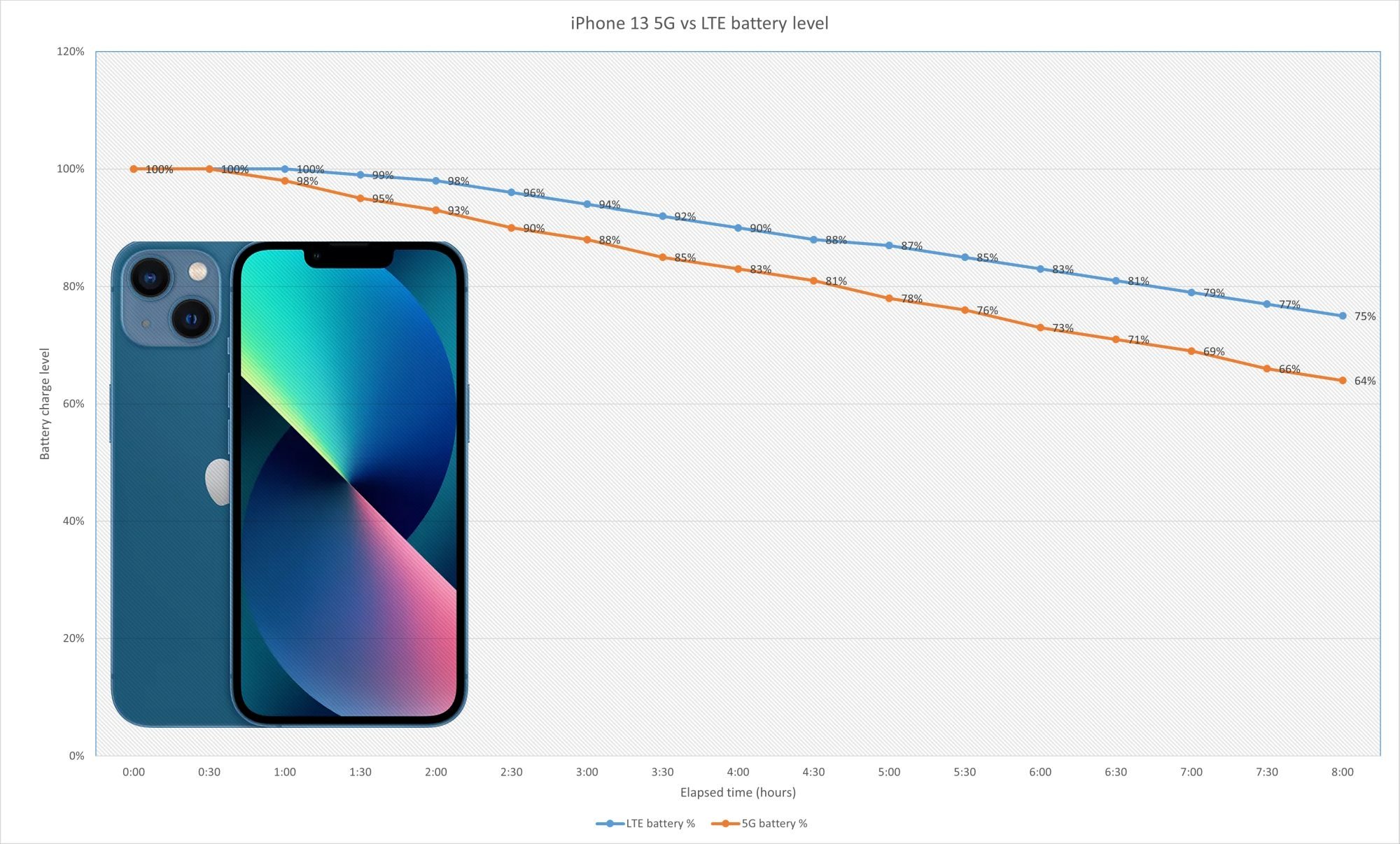
Battery life matters a lot. LTE is kinder to your phone’s power, letting it last longer on a charge.
5G can use more energy, particularly when searching for signals or using high bands. Newer phones are better at managing this, but you might notice quicker drains during heavy use.
Many devices let you switch to LTE to save battery when needed.
Performance for Gaming and Streaming
For gamers, low lag is key. 5G’s quick response makes online play smoother and more enjoyable.
Streaming fans get buffer-free experiences, even with high-quality video.
LTE works well for casual use, but intense sessions highlight where 5G pulls ahead.
LTE or 5G in Rural Areas vs Cities
City dwellers often get the best from 5G—dense setups mean fast, stable connections.
In rural locations, LTE’s longer range wins. Signals travel farther, keeping you online where 5G might not reach yet.
As rollout continues, this gap is closing slowly.
Choosing a Phone: Compatibility Tips
New phones usually support both. If upgrading, think about your needs and location.
Sticking with LTE-capable devices saves money if 5G isn’t strong where you are.
Advantages and Drawbacks of LTE
LTE is dependable, widely available, and easy on battery. Plans are often cheaper too.
It lacks the top speeds and low lag for cutting-edge uses.
Advantages and Drawbacks of 5G
5G opens doors to faster everything and new possibilities. It’s future-ready.
Coverage isn’t universal, and it can cost more in devices and plans.
Busting Common Myths
Some say 5G harms health—no evidence supports that; it’s regulated safely.
Others think LTE is dying soon. It will stick around for years as backup.
Not all 5G is blazing fast; it depends on the type.
Everyday Scenarios
A city gamer? 5G reduces frustration.
Rural worker? LTE ensures no dropped calls.
Streamer on the go? 5G in urban spots excels.
Looking Ahead: Beyond 5G
Networks keep evolving. 6G concepts are already in discussion, aiming for even wilder speeds and smarter connections.
LTE or 5G today sets the stage for tomorrow.
Frequently Asked Questions
Is 5G much faster than LTE everywhere? No, only in areas with good 5G setup. Elsewhere, they’re similar.
Will LTE stop working soon? No, carriers will support it for a long time.
Does 5G really use more battery? Yes, but improvements help, and you can toggle it.
What’s best for rural users? LTE for now, due to better reach.
Should I buy a 5G phone in 2025? If you’re in a covered area and want speed, yes. Otherwise, LTE is fine.
How do I check coverage? Look at your carrier’s map for LTE or 5G in your spots.
Final Thoughts on LTE or 5G
Choosing between LTE or 5G boils down to your situation. LTE offers solid, widespread performance without fuss—perfect for most daily needs, especially outside cities.
5G brings excitement with its speed and potential, ideal for urban users into gaming, streaming, or tech-heavy tasks.
If coverage is spotty where you are, hold off on full 5G commitment. For future-proofing in busy areas, it’s worth it. Pick what matches how you use your phone today.


Leave a Reply to ASTS Stock: Unlock 200% Upside in 2026 – DataDroped Cancel reply